
APPLICATIONS
Chemistry for Diverse Industries
Reliable chemical solutions supporting agriculture, food, pharmaceuticals, manufacturing and other industries worldwide.
Related Posts
- ▶ When should a water treatment chemical dosage be adjusted?
- ▶ When are inorganic chemicals a better fit than organic alternatives?
- ▶ How to verify batch consistency in industrial chemical raw materials
- ▶ How to qualify pharmaceutical raw materials before production approval
- ▶ How recycled content changes the performance of plastic raw materials
- ▶ How agricultural chemical prices affect seasonal purchasing plans
Send Us A Message
Coatings & Construction
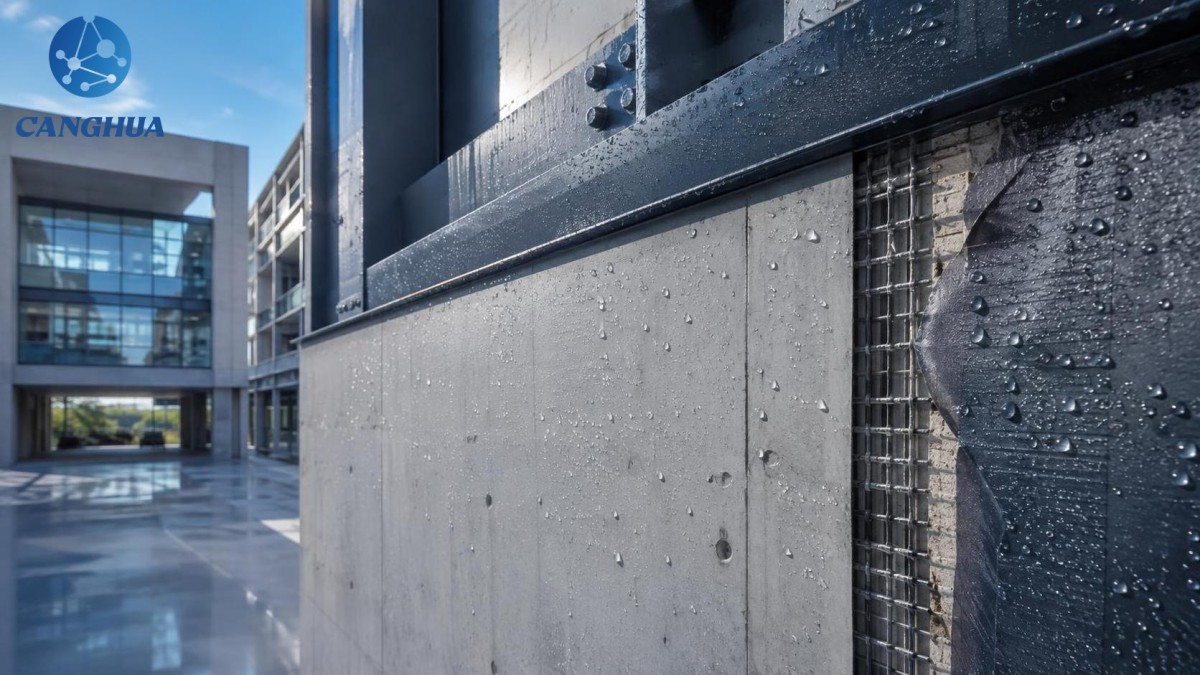
Coatings and construction meet at the surface: the place where a building faces rain, sunlight, abrasion, chemicals, temperature changes, and daily use. A concrete wall may look solid, but without the right protective system, moisture can migrate inward, steel can corrode, floors can wear unevenly, and finishes can lose their intended appearance far sooner than expected.
For architects, contractors, facility managers, and property owners, coating selection is therefore not simply a color decision. It is a durability decision, a maintenance decision, and often a lifecycle-cost decision. Modern chemical technologies make it possible to protect a wide range of substrates while also supporting energy performance, hygiene, safety, and design goals.
Why coatings matter in construction
Construction materials rarely perform in isolation. Steel needs protection from oxidation; concrete needs resistance to carbonation, water ingress, and surface contamination; timber benefits from moisture and UV defense. Even interior surfaces may require coatings that tolerate repeated cleaning, impact, foot traffic, or exposure to oils and household chemicals.
A well-matched coating creates a controlled barrier between the substrate and its environment. Depending on the formulation, it may reduce water penetration, slow corrosion, improve adhesion between layers, provide a slip-resistant finish, or reflect a portion of solar heat. The practical result is a surface that remains functional for longer and is easier to inspect and maintain.
Common coating technologies and where they fit
The best coating for a construction project depends on the substrate, exposure conditions, preparation quality, and expected service life. “One coating for everything” is usually an expensive assumption.
Protective coatings for metal
Structural steel, railings, pipelines, roofing components, and industrial frames are vulnerable to corrosion when moisture and oxygen reach the surface. Zinc-rich primers, epoxy systems, polyurethane topcoats, and other multilayer protective coatings are commonly used to build corrosion resistance. In demanding environments—such as coastal zones, chemical facilities, or high-humidity areas—the full system matters: surface preparation, primer, intermediate layer, and topcoat must work together.
Concrete coatings and waterproofing systems
Concrete is durable, but it is not naturally impermeable. Parking structures, basements, balconies, bridges, and exterior façades may need waterproof coatings, elastomeric membranes, or breathable protective finishes. A breathable coating can be especially useful where vapor needs to escape from the substrate while liquid water must be kept out. Using a fully sealed film on damp concrete without proper assessment can lead to blistering or loss of adhesion.
Floor coatings for high-use spaces
Epoxy and polyurethane floor coatings are widely used in warehouses, workshops, commercial kitchens, healthcare spaces, and parking areas. Their value lies in more than appearance. The right floor system can improve resistance to impact, cleaning agents, oils, and repeated traffic. Texture or aggregate can also be incorporated where slip resistance is a priority.
Architectural and energy-conscious finishes
Exterior architectural coatings protect façades while defining a building’s visual character. In hotter climates, reflective roof and wall coatings can help reduce heat absorption at the surface. Low-VOC and waterborne technologies are also increasingly considered where indoor air quality, application conditions, or environmental requirements influence material choices.
Selection starts with the exposure, not the color card
Before choosing a coating, project teams should ask what the surface will actually experience. Will it face standing water, salt spray, ultraviolet exposure, thermal cycling, vehicle traffic, cleaning chemicals, or occasional impacts? A decorative finish designed for a sheltered interior wall will not perform like a protective coating intended for an exposed steel structure.
It is equally important to understand the substrate condition. New concrete may need sufficient curing time. Existing metal may require removal of rust, salts, old paint, or oil. Cracks, pinholes, uneven areas, and moisture issues should be addressed before application. Coating failures are often blamed on the product when the real cause is inadequate surface preparation or an unsuitable application environment.
Details that influence long-term performance
- Compatibility: Primers, sealers, membranes, and topcoats should be designed to work as a system.
- Film thickness: Too little material may leave weak protection; excessive thickness can create curing or adhesion problems.
- Application conditions: Temperature, humidity, dew point, ventilation, and substrate moisture affect cure and finish quality.
- Maintenance access: A durable coating still benefits from periodic cleaning, inspection, and timely repair of damaged areas.
- Appearance over time: Gloss retention, color stability, stain resistance, and ease of touch-up should match the expectations for the space.
A practical view of value in coatings & construction
The lowest initial coating cost is not always the lowest cost over the life of a building. Recoating a difficult-to-access façade, shutting down part of an industrial floor, or repairing corrosion beneath failed paint can be far more disruptive than choosing an appropriate system at the outset.
Strong coatings and construction planning connect material chemistry with real site conditions. When the substrate is evaluated carefully, the exposure risks are understood, and application is treated as part of the system—not an afterthought—coatings can preserve both performance and appearance in the built environment for years to come.