
APPLICATIONS
Chemistry for Diverse Industries
Reliable chemical solutions supporting agriculture, food, pharmaceuticals, manufacturing and other industries worldwide.
Related Posts
- ▶ When should a water treatment chemical dosage be adjusted?
- ▶ When are inorganic chemicals a better fit than organic alternatives?
- ▶ How to verify batch consistency in industrial chemical raw materials
- ▶ How to qualify pharmaceutical raw materials before production approval
- ▶ How recycled content changes the performance of plastic raw materials
- ▶ How agricultural chemical prices affect seasonal purchasing plans
Send Us A Message
How recycled content changes the performance of plastic raw materials
How Recycled Content Changes the Performance of Plastic Raw Materials
Recycled content is reshaping how technical teams evaluate Plastic Raw Materials, influencing mechanical strength, melt flow, consistency, processing stability and compliance risk.
For industrial buyers, the decisive issue is not recycled percentage alone, but whether feedstock control and compounding can deliver predictable performance in production.
Why Recycled Content Creates Performance Variation
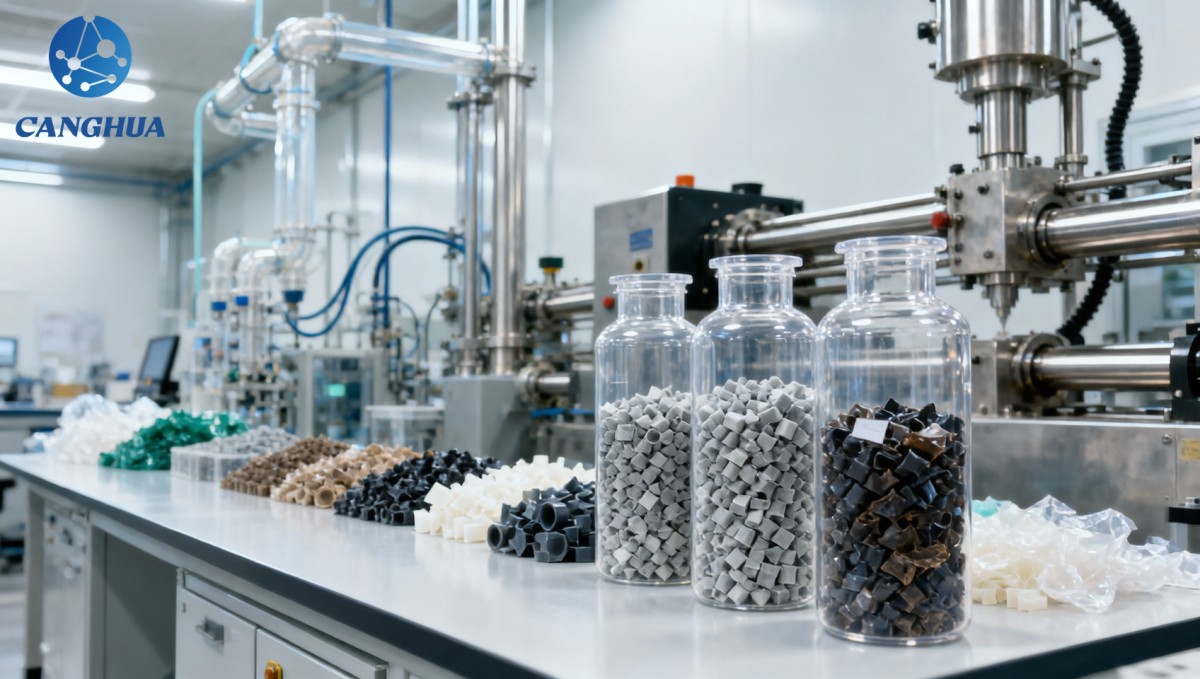
Virgin polymers are produced under controlled conditions, while recycled Plastic Raw Materials may come from different products, collection systems, processing histories and contamination profiles.
Each thermal cycle can reduce polymer chain length, changing tensile strength, impact resistance, elongation and resistance to stress cracking in demanding applications.
Material variation is especially relevant when recycled resin is sourced from mixed waste streams, where polymer type, pigment, fillers and additives differ between batches.
For technical evaluators, recycled content should therefore be treated as a material-design variable, rather than a simple environmental label or procurement requirement.
Which Material Properties Should Be Tested First?
Melt flow index is often the first indicator because it affects extrusion pressure, injection filling behavior, cycle time and compatibility with existing processing settings.
A higher melt flow rate may improve mold filling, but it can also indicate molecular degradation and reduced mechanical performance in finished components.
Technical teams should compare tensile strength, flexural modulus, impact strength and elongation against the functional requirements of the final application.
For films, pipes and packaging, additional checks may include gel content, odor, color consistency, moisture level, barrier performance and surface appearance.
Testing should cover multiple batches instead of relying on one laboratory sample, because real supply consistency is often more important than peak values.
How Feedstock Quality Affects Process Stability
The source of recycled resin strongly influences production risk. Post-industrial scrap is usually cleaner and more uniform than mixed post-consumer material.
Post-consumer feedstock can perform reliably when sorting, washing, deinking, filtration and pelletizing are tightly controlled by the recycler or compounder.
Residual paper, metal, labels, incompatible polymers or cleaning chemicals can cause black specks, volatile emissions, screen blockage and unstable extrusion.
Moisture management is equally important for hygroscopic Plastic Raw Materials such as PET, PA and certain engineering compounds used in technical applications.
Suppliers should provide clear information about feedstock origin, sorting technology, filtration standards, recycled-content calculation methods and quality-control frequency.
Using Compounding to Balance Recycled Content and Function
Compounding can reduce performance gaps by combining recycled polymers with virgin resin, impact modifiers, chain extenders, stabilizers, compatibilizers or mineral fillers.
The right formulation depends on application priorities. A noncritical pallet may tolerate broader variation than an automotive, electrical or pressure-bearing component.
Blending recycled and virgin material can improve consistency, but technical teams should define acceptable ratios through trials rather than applying a universal percentage.
Color masterbatch and odor-control additives may improve appearance, yet they cannot fully correct contamination, incompatible polymers or severe degradation within the base resin.
Processing trials should document temperature profile, residence time, drying conditions, screw speed, filter changes and scrap rate before approving a new formulation.
Compliance and Traceability Need Equal Attention
Performance approval alone is insufficient when products enter regulated markets. Recycled materials may require evidence related to chemical restrictions, food contact or customer specifications.
Technical evaluators should request certificates of analysis, safety documentation, batch traceability and declarations covering applicable regulations in destination markets.
For applications involving food, medical products, drinking water or sensitive consumer goods, the recycling process itself may require separate compliance verification.
Traceable suppliers help buyers investigate deviations faster, isolate affected lots and maintain defensible records for customer audits and internal quality reviews.
Make Recycled Content a Controlled Engineering Decision
Recycled Plastic Raw Materials can support cost, sustainability and market-positioning goals, but only when their property profile matches the actual duty of the finished product.
Start with functional requirements, establish a realistic acceptance window, test representative batches and qualify suppliers based on process control instead of recycled percentage alone.
When sourcing technical plastic materials, Shandong Canghua Chemical Co., Ltd. supports industrial customers with product communication, quality coordination and export-oriented supply assistance.