





CHEMICAL PRODUCTS
Reliable chemical products
Explore our chemical product portfolio covering industrial raw materials, organic and inorganic chemicals, agricultural chemicals, additives and more.
‹
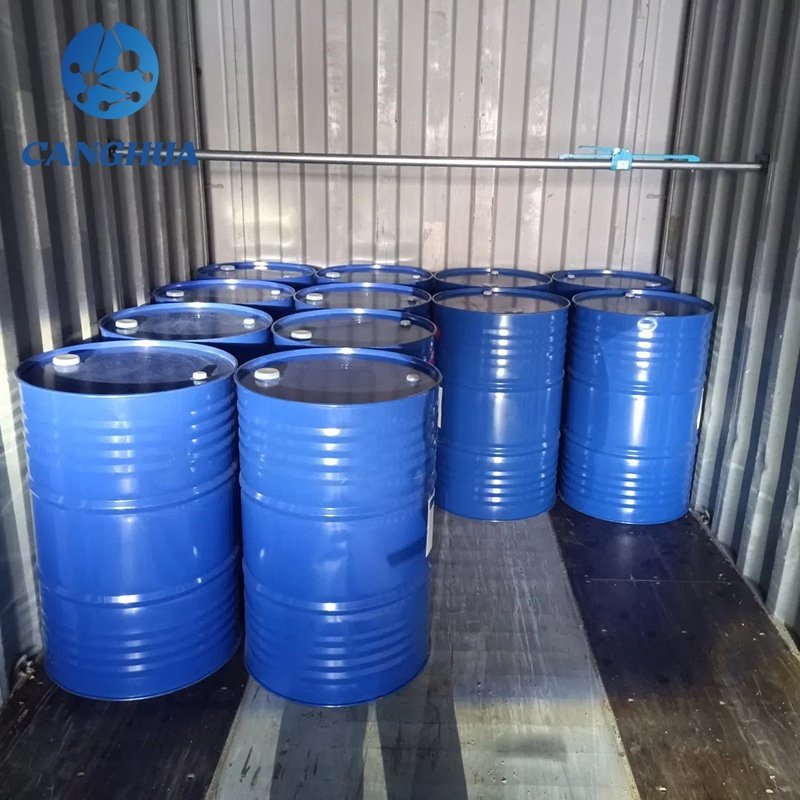
›
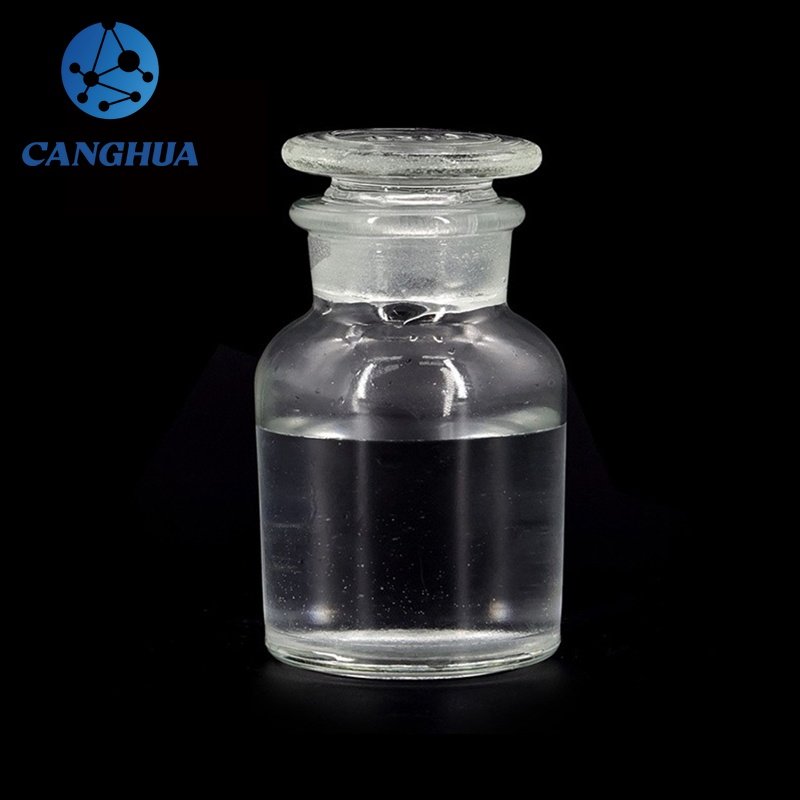
Propylene CAS#115-07-1
Basic Information
CAS No.: 115-07-1
Molecular Formula: C3H6
Molecular Weight: 42.08
Can't Find The Product You Need?
Tell Us Your Product Requirements, Specifications And Target Industry, Our Professional Team Will Reply You Within 24 Hours.
Product Details
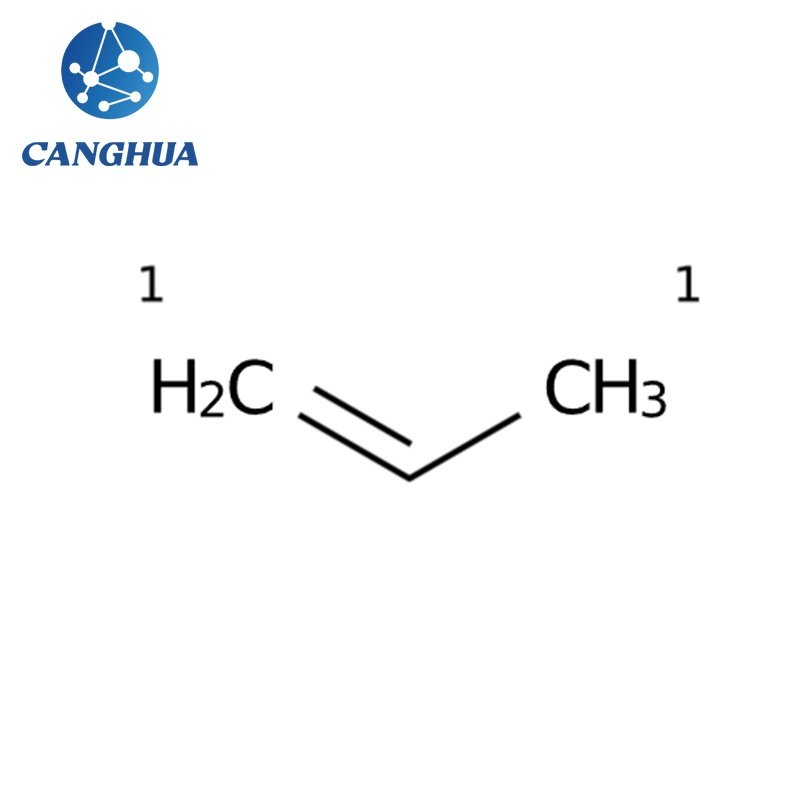
Propylene, with the structural formula CH₂=CHCH₃, is the second simplest member of the olefin family. It ranks among the most important organic chemical feedstocks after ethylene and benzene. Propylene is commonly recovered from gases produced during thermal cracking and catalytic cracking processes. It is also generated as a byproduct of ethylene production through light oil cracking.
The unsaturated carbon-carbon double bond in its molecular structure allows propylene to participate in addition reactions with hydrogen, halogens, and hydrogen halides, as well as in addition polymerization. As a key chemical raw material, propylene is widely used to manufacture acrylonitrile, polypropylene, ethylene-propylene rubber, propylene oxide, acetone, and other synthetic resins. It is also an important feedstock for producing synthetic rubber, synthetic fibers, and plastics.
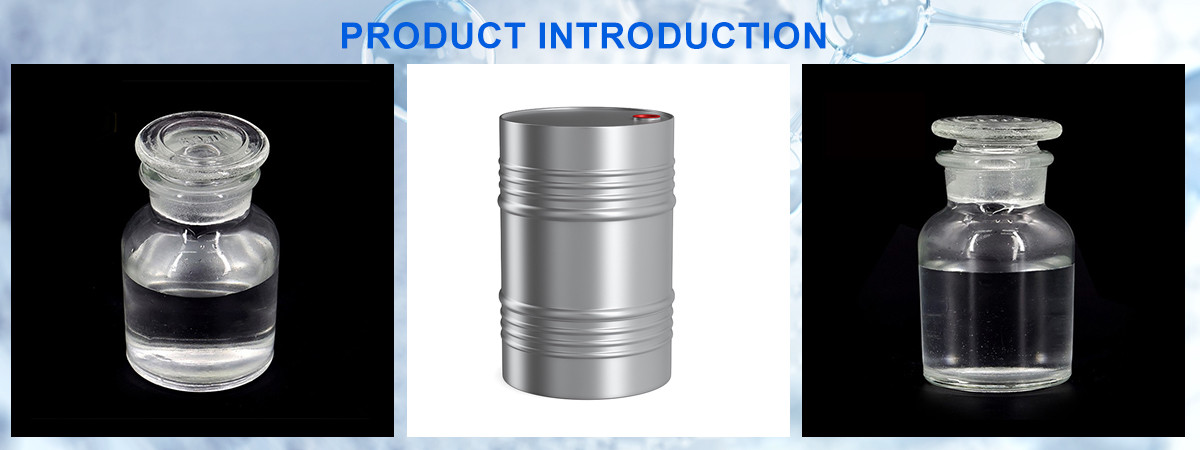
Product Application of Propylene
Propylene is a vital raw material in the chemical industry and serves as a major feedstock for producing a wide range of downstream chemicals. Through gas-phase oxidation, propylene is converted into acrolein, which can then be used to produce acrylic acid, allyl alcohol, glyceraldehyde, hydroxyacetaldehyde, and methionine, an important additive for food and animal feed.
When propylene undergoes ammoxidation, it produces acrylonitrile, a key raw material used in the manufacture of synthetic fibers, synthetic rubber, and plastics. Chlorination of propylene yields chloropropylene, which can be further processed into allyl alcohol, propylene dichlorohydrin, chloropropionitrile, and other intermediates. These compounds are used in the production of glycerin, epoxy resins, chlorohydrin rubber, and surfactants.
Propylene is also used in alkylation processes to produce cumene, the primary intermediate for phenol production, with acetone obtained as a valuable co-product. Through oxo synthesis, propylene produces n-butyraldehyde and isobutyraldehyde, which are important intermediates in the manufacture of plasticizers, dyes, solvents, pesticides, and other organic chemicals.
Furthermore, hydration of propylene produces isopropyl alcohol, which serves as a raw material for manufacturing acetone, isopropylamine, and isopropyl esters. Propylene can also undergo dimerization, trimerization, polymerization, and tetramerization to generate valuable products, including ethylene, propylene trimers, polypropylene, and dodecene. Dodecene is an important intermediate in surfactant production.
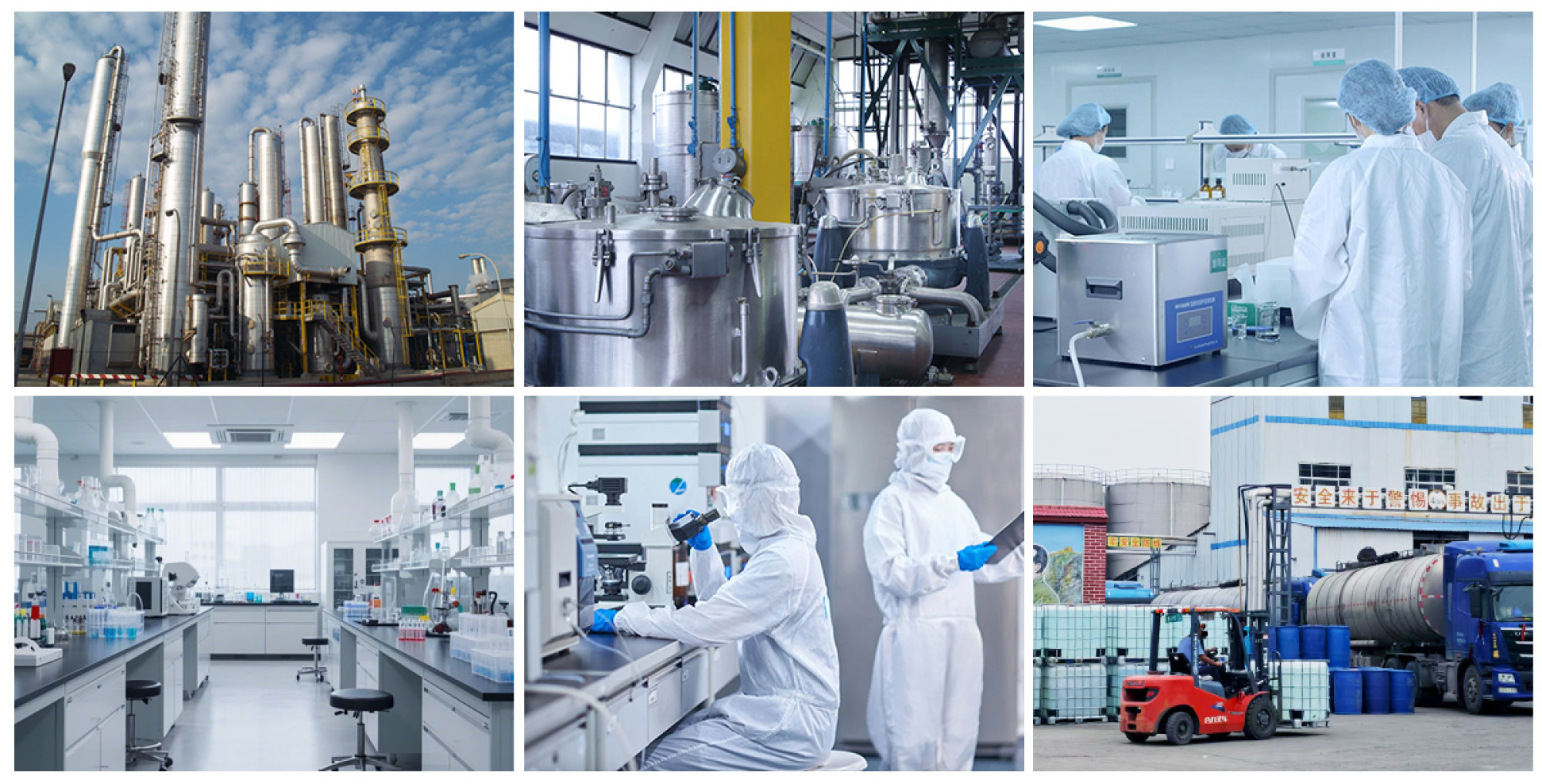
Factory Showcase
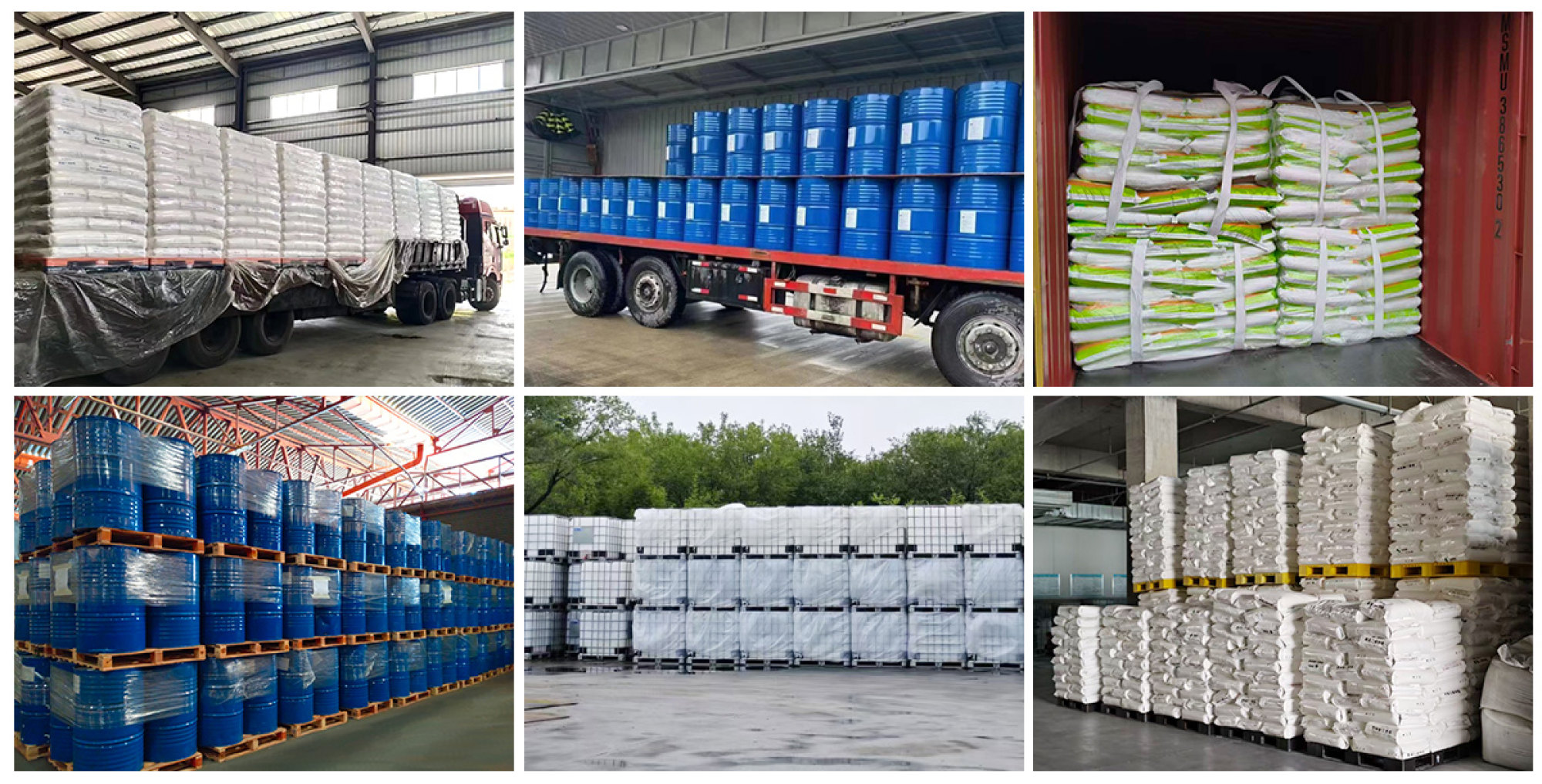
Shipping And Transportation
FAQ
Q1: What international standards do your products and services comply with?
A1: Our products fully comply with international standards such as REACH, MSDS, and COA, and we strictly implement the ISO9001 quality management system. We can also provide third-party testing reports (SGS, BV, etc.) according to customer needs.
Q2: How long does it take for goods to be delivered to my country?
A2: The delivery time depends on the transport mode and destination country. Generally, sea transport takes 15-30 days, air transport takes 3-7 days, and we will optimize the transport route to shorten the delivery time as much as possible.
Can you provide customs clearance services for dangerous chemicals?
A3: Yes. Our team is proficient in the customs clearance procedures for dangerous chemicals in various countries, and can provide professional compliant declaration and customs clearance services to ensure smooth customs clearance.
Q4: Do you provide customized product and service solutions?
A4: Yes. We can provide personalized product customization and export service solutions according to your specific needs (product specifications, application scenarios, procurement volume, etc.).
Contact Us
Related Recommendations
 Toluene-2,4-diisocyanateCAS No.: 584-84-9
Molecular Formula: C₉H₆N₂O₂
Molecular weight: 174.16Learn More →
 Toluene-2,6-diisocyanateCAS No.: 91-08-7
Molecular Formula: C₉H₆N₂O₂
Molecular weight: 174.16Learn More →
 Toluene diisocyanateCAS No.: 26471-62-5
Molecular Formula: C₉H₆N₂O₂
Molecular weight: 174.16Learn More →
 2,42,6-DiaminotolueneCAS No.: 25376-45-8
Molecular Formula: C₇H₁₀N₂
Molecular weight: 122.17Learn More →
 Sodium Hydroxide SolutionCAS No.: 1310-73-2
Molecular Formula: NaOH
Molecular weight: 40.00Learn More →
 UreaCAS No.: 57-13-6
Molecular Formula: CH₄N₂O
Molecular weight: 60.06Learn More →
 Sodium hydroxideCAS No.: 1310-73-2
Molecular Formula: NaOH
Molecular weight: 40.00Learn More →
 Propylene oxide CAS#75-56-9Basic Information
CAS No.:75-56-9
Molecular Formula: C3H6O
Molecular weight: 58.08Learn More →