





CHEMICAL PRODUCTS
Reliable chemical products
Explore our chemical product portfolio covering industrial raw materials, organic and inorganic chemicals, agricultural chemicals, additives and more.
‹
›
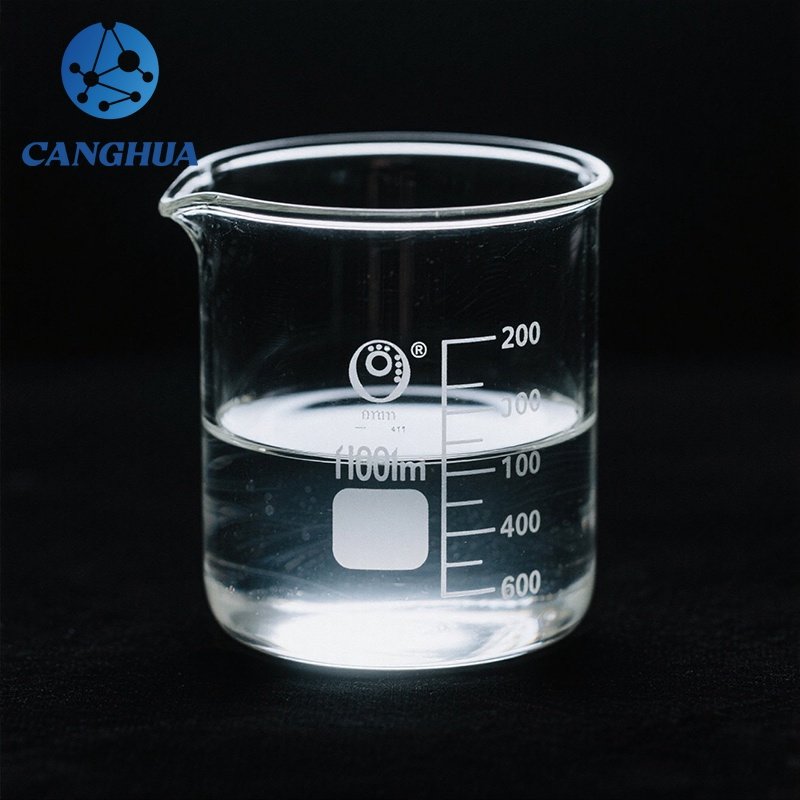
Polyethylene-polypropylene glycol CAS#9003-11-6
Basic Information
CAS No.: 9003-11-6
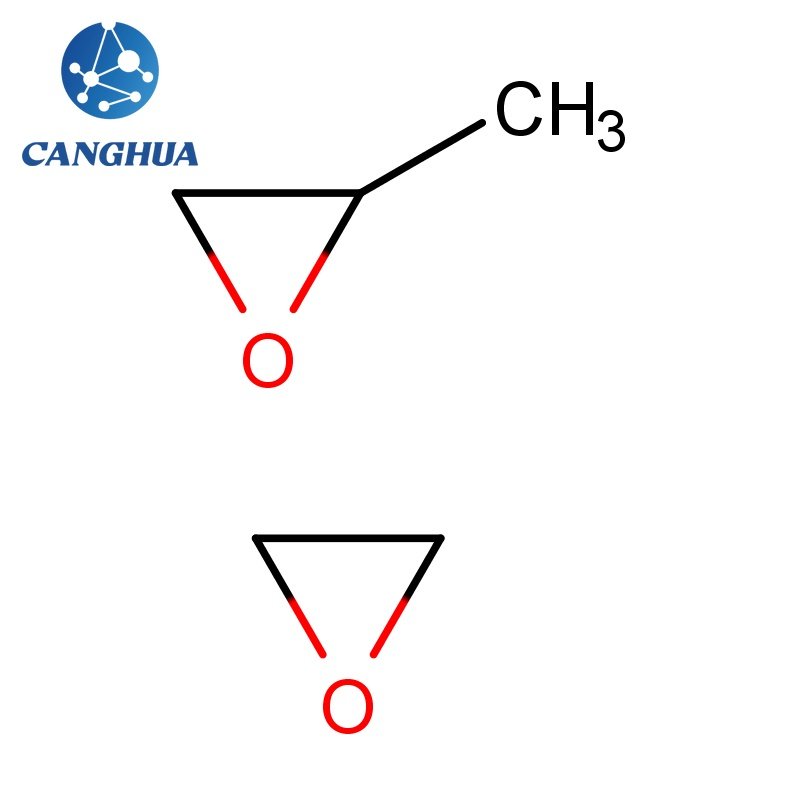
Molecular Formula: (C3H6O.C2H4O)x
Molecular Weight: 102.13
Can't Find The Product You Need?
Tell Us Your Product Requirements, Specifications And Target Industry, Our Professional Team Will Reply You Within 24 Hours.
Product Details
Pluronic F-127: Description and Application
Pluronic F-127 is a nonionic surfactant commonly used to improve the solubilization of hydrophobic compounds, including cell-permeable AM esters such as Fluo-4 and Fluo-8 calcium indicators, as well as Di-4-ANEPS and Di-8-ANEPS potentiometric probes. It also helps facilitate the efficient uptake of these compounds into cells.
We offer Pluronic F-127 in a ready-to-use 10% aqueous solution, making it convenient for laboratory use and reducing the time required for preparation.
A common application of the 10% Pluronic F-127 aqueous solution is to support the cellular loading of AM ester ion indicators and other fluorescent dyes. The specific loading conditions may differ depending on the cell type and the compounds being used.
Polyethylene-polypropylene glycol Chemical Properties
Safety Information
Product Application of Polyethylene-Polypropylene Glycol CAS#9003-11-6
Polyethylene-polypropylene glycol is a nonionic polyoxyethylene–polyoxypropylene copolymer commonly used in pharmaceutical formulations as an emulsifier and solubilizing agent. Its hydrophilic polyoxyethylene segments and hydrophobic polyoxypropylene segments work together to provide effective surface-active properties.
Although different grades of polyethylene-polypropylene glycol have a similar chemical composition, they mainly differ in the proportions of ethylene oxide and propylene oxide incorporated during production. These variations result in a broad range of physical and surfactant properties, allowing the material to be supplied in multiple commercial grades.
In pharmaceutical formulations, polyethylene-polypropylene glycol is widely used as an emulsifier in intravenous fat emulsions. It also serves as a solubilizing and stabilizing agent, helping maintain the clarity of elixirs and syrups.
Furthermore, it can act as a wetting agent and is commonly used in ointments, suppository bases, and gels. It also functions as a binder and coating material in tablet formulations.
Factory Showcase

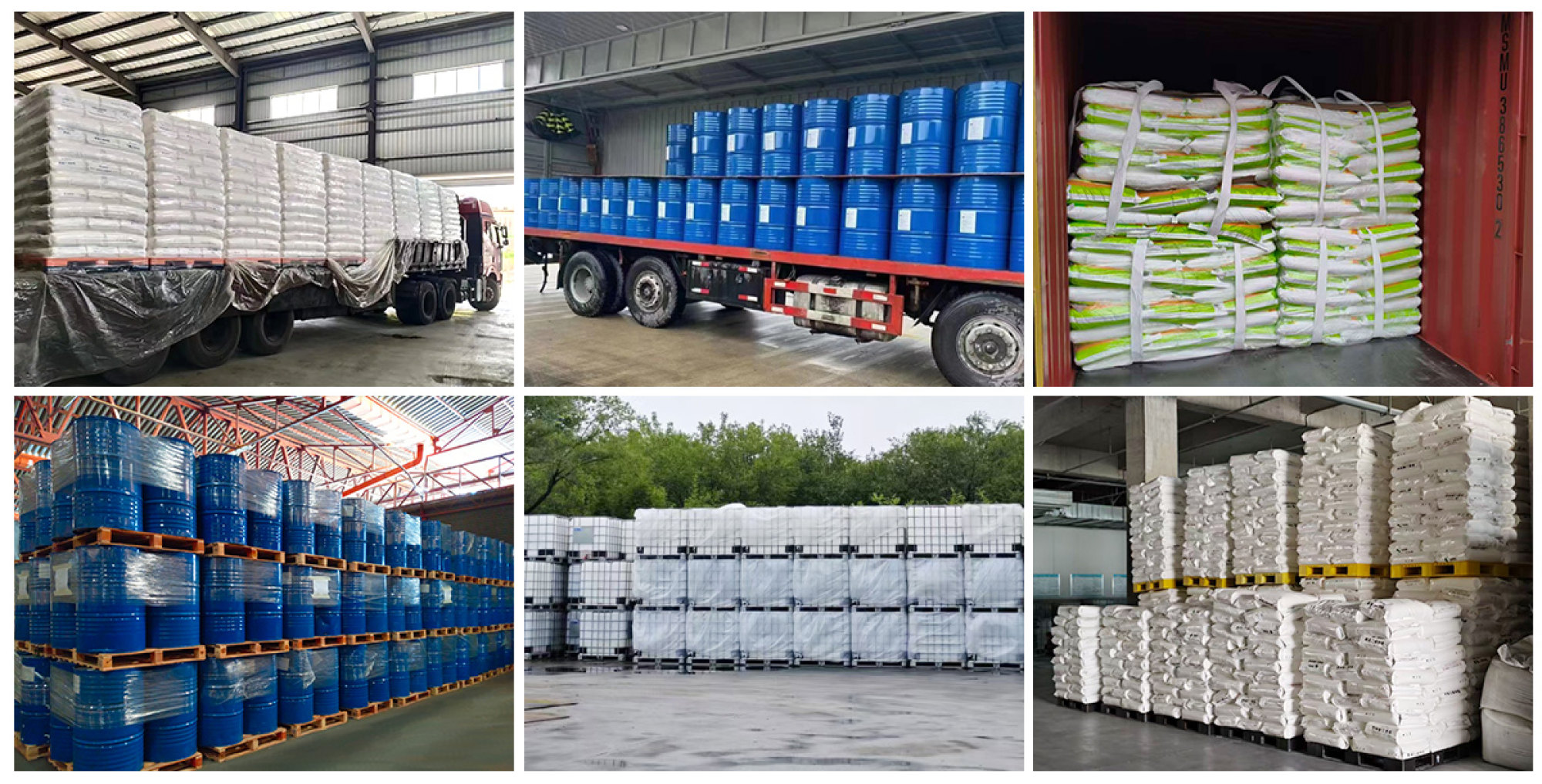
Shipping And Transportation
FAQ
Q1: What international standards do your products and services comply with?
A1: Our products fully comply with international standards such as REACH, MSDS, and COA, and we strictly implement the ISO9001 quality management system. We can also provide third-party testing reports (SGS, BV, etc.) according to customer needs.
Q2: How long does it take for goods to be delivered to my country?
A2: The delivery time depends on the transport mode and destination country. Generally, sea transport takes 15-30 days, air transport takes 3-7 days, and we will optimize the transport route to shorten the delivery time as much as possible.
Can you provide customs clearance services for dangerous chemicals?
A3: Yes. Our team is proficient in the customs clearance procedures for dangerous chemicals in various countries, and can provide professional compliant declaration and customs clearance services to ensure smooth customs clearance.
Q4: Do you provide customized product and service solutions?
A4: Yes. We can provide personalized product customization and export service solutions according to your specific needs (product specifications, application scenarios, procurement volume, etc.).
Contact Us
Related Recommendations
 Toluene-2,4-diisocyanateCAS No.: 584-84-9
Molecular Formula: C₉H₆N₂O₂
Molecular weight: 174.16Learn More →
 Toluene-2,6-diisocyanateCAS No.: 91-08-7
Molecular Formula: C₉H₆N₂O₂
Molecular weight: 174.16Learn More →
 Toluene diisocyanateCAS No.: 26471-62-5
Molecular Formula: C₉H₆N₂O₂
Molecular weight: 174.16Learn More →
 2,42,6-DiaminotolueneCAS No.: 25376-45-8
Molecular Formula: C₇H₁₀N₂
Molecular weight: 122.17Learn More →
 Sodium Hydroxide SolutionCAS No.: 1310-73-2
Molecular Formula: NaOH
Molecular weight: 40.00Learn More →
 UreaCAS No.: 57-13-6
Molecular Formula: CH₄N₂O
Molecular weight: 60.06Learn More →
 Sodium hydroxideCAS No.: 1310-73-2
Molecular Formula: NaOH
Molecular weight: 40.00Learn More →
 Propylene oxide CAS#75-56-9Basic Information
CAS No.:75-56-9
Molecular Formula: C3H6O
Molecular weight: 58.08Learn More →