





CHEMICAL PRODUCTS
Reliable chemical products
Explore our chemical product portfolio covering industrial raw materials, organic and inorganic chemicals, agricultural chemicals, additives and more.
‹
›
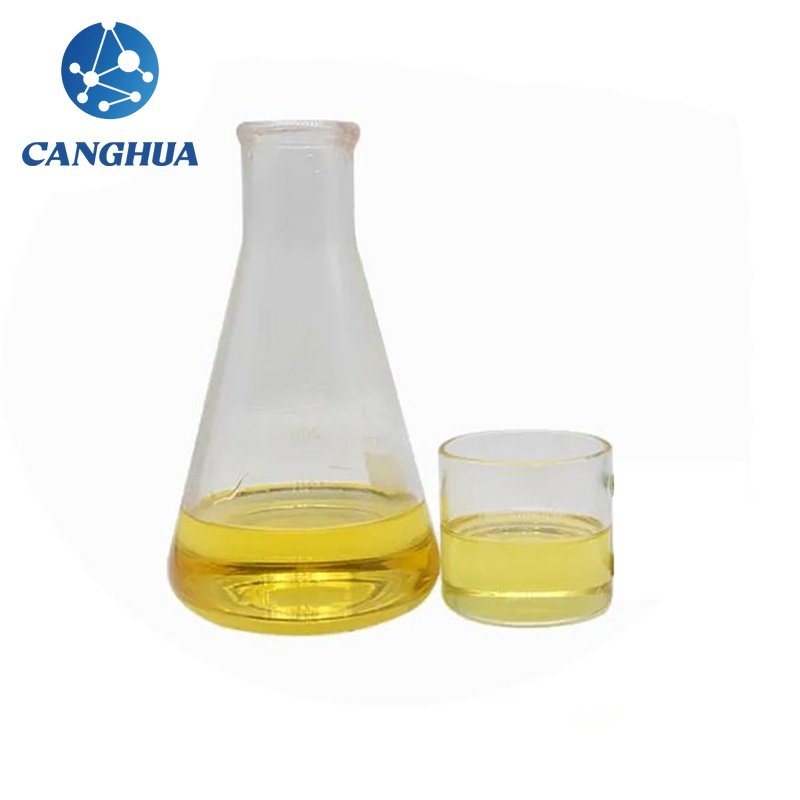
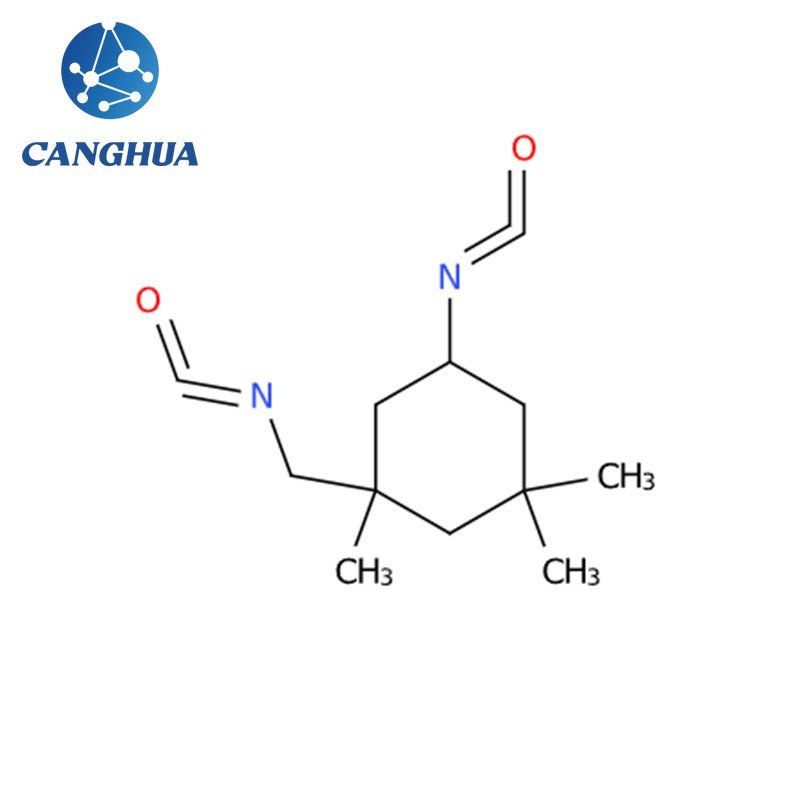
Isophorone diisocyanate CAS#4098-71-9
Basic Information
Molecular Formula: C12H18N2O2
Molecular weight: 222.28
Can't Find The Product You Need?
Tell Us Your Product Requirements, Specifications And Target Industry, Our Professional Team Will Reply You Within 24 Hours.
Product Details
Isophorone diisocyanate (IPDI), with the chemical formula C12H18N2O2, is an alicyclic diisocyanate. Among the commonly used diisocyanates, IPDI has the lowest reactivity. It is a low-viscosity liquid that remains resistant to crystallization during low-temperature storage. Its reaction process is stable, and the two isocyanate groups differ in reactivity by approximately tenfold, making it suitable for preparing a variety of prepolymers.
In addition, IPDI has a low vapor pressure and is used as a curing agent for hydroxyl-terminated prepolymers, such as polypropylene glycol, in polyurethane binders for composite propellants. Its distinctive molecular structure, which contains neither double bonds nor benzene rings, provides excellent weather resistance. These properties make IPDI widely applicable in various industries, including plastics, adhesives, pharmaceuticals, and fragrances.
Commonly Used Diisocyanate Raw Materials
1. Isophorone diisocyanate (IPDI) is a high-performance aliphatic diisocyanate. Commercially available IPDI is a mixture of cis and trans isomers and appears as a colorless to pale yellow liquid at room temperature. The two isocyanate groups in IPDI exhibit different reactivities: the primary isocyanate group is more reactive when an amine catalyst is used, whereas the secondary isocyanate group is more reactive when an organotin catalyst is employed.
2. Toluene diisocyanate (TDI) is typically a mixture of 2,4-toluene diisocyanate and 2,6-toluene diisocyanate, with the former usually accounting for 80% of the composition. The reactivities of the isocyanate groups at the ortho and para positions of 2,4-TDI differ significantly; this disparity can be exploited to synthesize adducts containing isocyanate groups. The relative reactivity of these positions varies with temperature—at high temperatures (above 100°C), the reactivities tend to equalize. Although TDI is highly toxic, it is inexpensive and the most widely used diisocyanate.
3. Diphenylmethane diisocyanate (MDI), like TDI, is an aromatic diisocyanate and is also used in large quantities.
4. Xylylene diisocyanate (XDI), despite containing a benzene ring, is classified as an aliphatic diisocyanate.
5. Hexamethylene diisocyanate (HDI) is an aliphatic diisocyanate; similar to TDI, it has a high vapor pressure and high toxicity.
6. Dicyclohexylmethane diisocyanate (H12MDI) is a commonly used aliphatic diisocyanate. Among the aforementioned polyisocyanates, TDI and MDI are aromatic; they are significantly more reactive than their aliphatic counterparts, leading to much faster reaction rates, though the resulting paint films are prone to yellowing. Yellowing is caused by the presence of free amine groups; aromatic amines can be generated either through the reaction of isocyanates with water or via the photolysis of urethane linkages, and these aromatic amines can subsequently form quinoid structures upon exposure to oxygen.
Isophorone diisocyanate Chemical Properties
Product Application of Isophorone Diisocyanate CAS#4098-71-9
Isophorone diisocyanate (IPDI) is extensively used in the manufacture of high-performance polyurethanes characterized by excellent stability, strong resistance to light-induced discoloration, and outstanding chemical resistance. In paints and varnishes, IPDI helps improve hardness, flexibility, abrasion resistance, chemical resistance, and resistance to chalking and weathering.
IPDI is also employed in producing elastomers for casting compounds, mastics, highly flexible textile coatings, and hard industrial coatings. Furthermore, it is used in the manufacture of contact lenses and serves as a curing agent in various polyurethane systems.
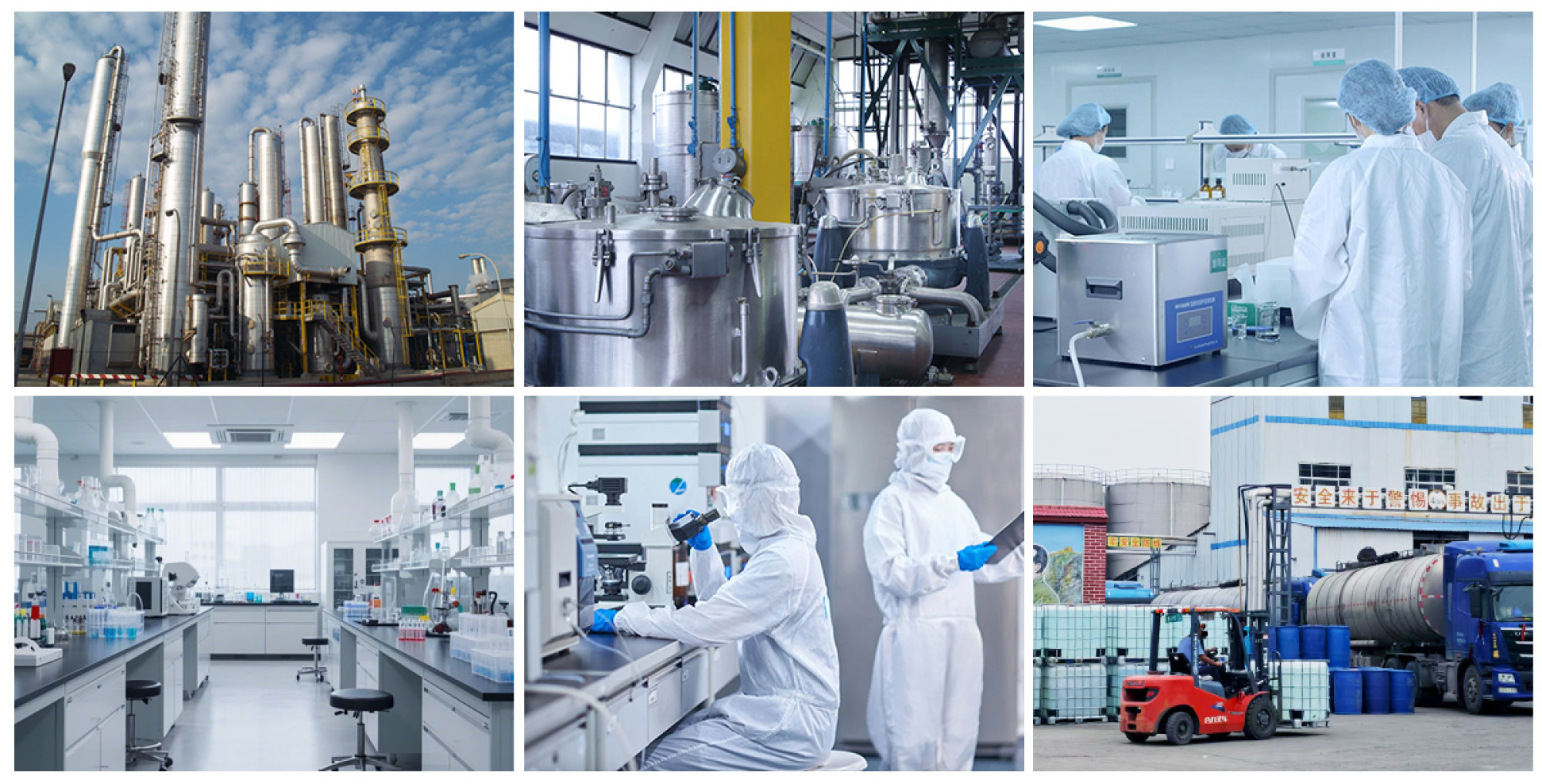
Factory Showcase
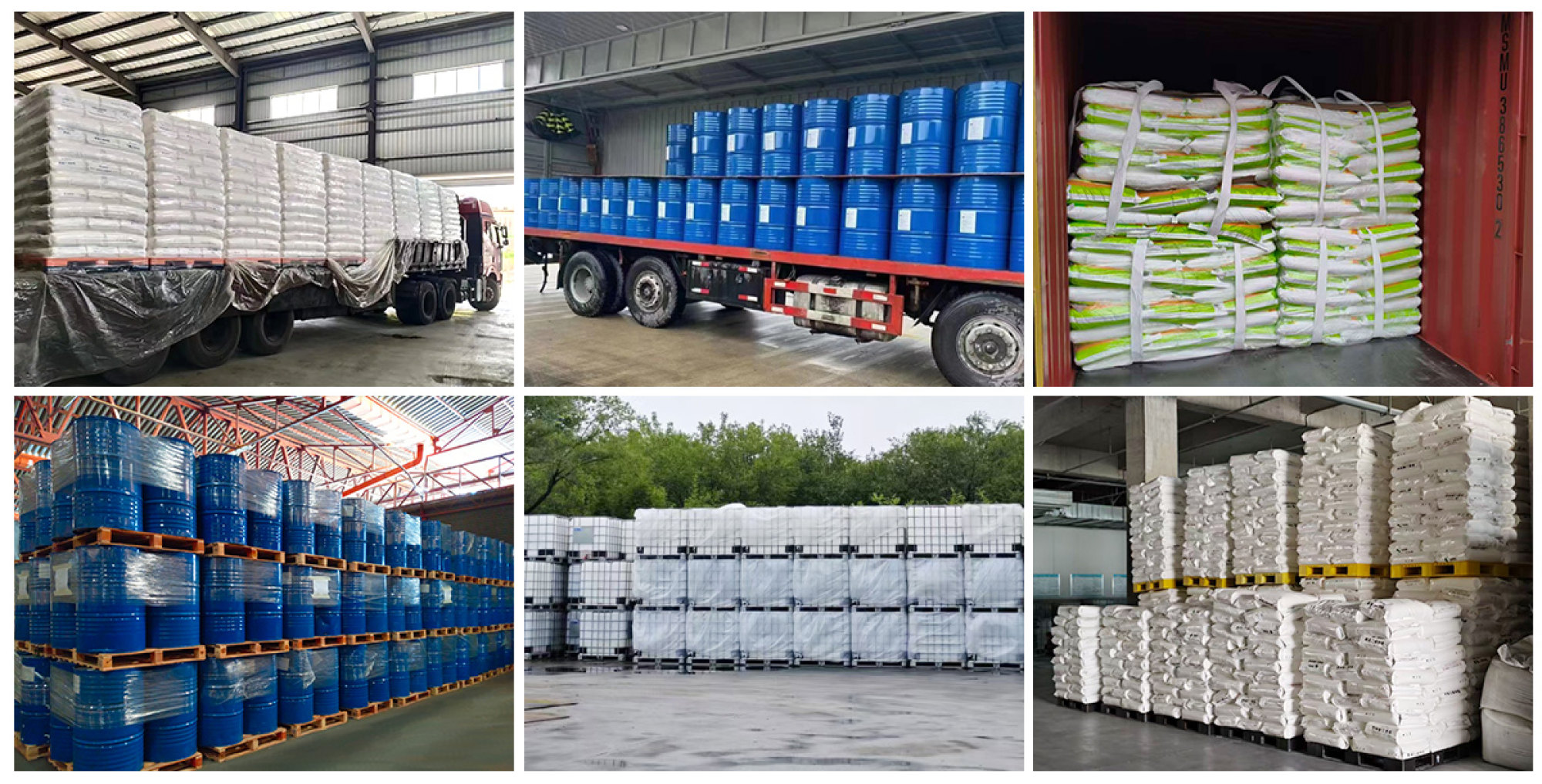
Shipping And Transportation
FAQ
Q1: What international standards do your products and services comply with?
A1: Our products fully comply with international standards such as REACH, MSDS, and COA, and we strictly implement the ISO9001 quality management system. We can also provide third-party testing reports (SGS, BV, etc.) according to customer needs.
Q2: How long does it take for goods to be delivered to my country?
A2: The delivery time depends on the transport mode and destination country. Generally, sea transport takes 15-30 days, air transport takes 3-7 days, and we will optimize the transport route to shorten the delivery time as much as possible.
Can you provide customs clearance services for dangerous chemicals?
A3: Yes. Our team is proficient in the customs clearance procedures for dangerous chemicals in various countries, and can provide professional compliant declaration and customs clearance services to ensure smooth customs clearance.
Q4: Do you provide customized product and service solutions?
A4: Yes. We can provide personalized product customization and export service solutions according to your specific needs (product specifications, application scenarios, procurement volume, etc.).
Contact Us
Related Recommendations
 Toluene-2,4-diisocyanateCAS No.: 584-84-9
Molecular Formula: C₉H₆N₂O₂
Molecular weight: 174.16Learn More →
 Toluene-2,6-diisocyanateCAS No.: 91-08-7
Molecular Formula: C₉H₆N₂O₂
Molecular weight: 174.16Learn More →
 Toluene diisocyanateCAS No.: 26471-62-5
Molecular Formula: C₉H₆N₂O₂
Molecular weight: 174.16Learn More →
 2,42,6-DiaminotolueneCAS No.: 25376-45-8
Molecular Formula: C₇H₁₀N₂
Molecular weight: 122.17Learn More →
 Sodium Hydroxide SolutionCAS No.: 1310-73-2
Molecular Formula: NaOH
Molecular weight: 40.00Learn More →
 UreaCAS No.: 57-13-6
Molecular Formula: CH₄N₂O
Molecular weight: 60.06Learn More →
 Sodium hydroxideCAS No.: 1310-73-2
Molecular Formula: NaOH
Molecular weight: 40.00Learn More →
 Super Absorbent Polymer
Learn More →