





CHEMICAL PRODUCTS
Reliable chemical products
Explore our chemical product portfolio covering industrial raw materials, organic and inorganic chemicals, agricultural chemicals, additives and more.
‹
›
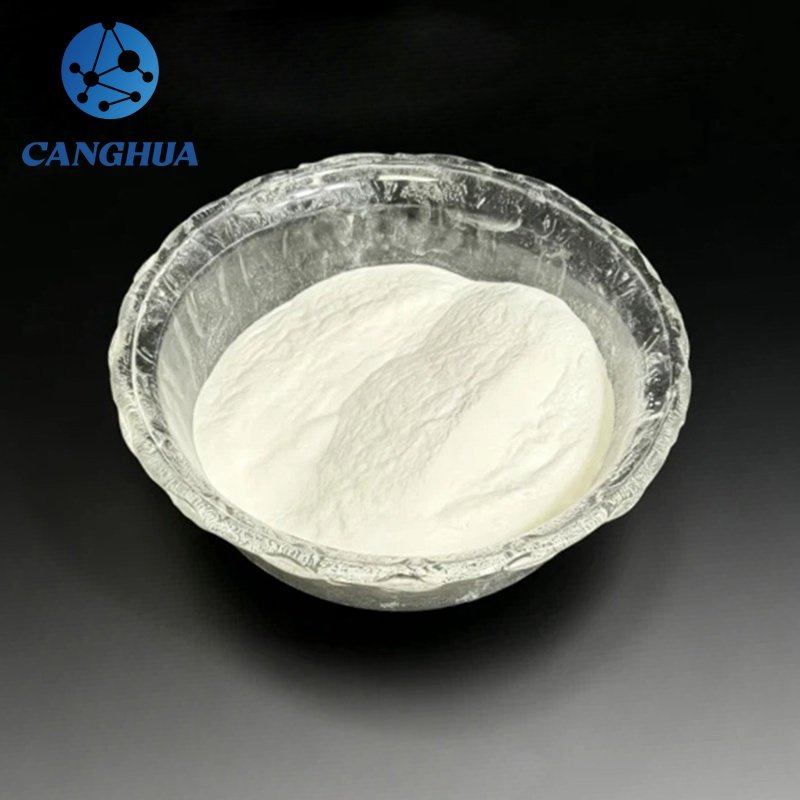
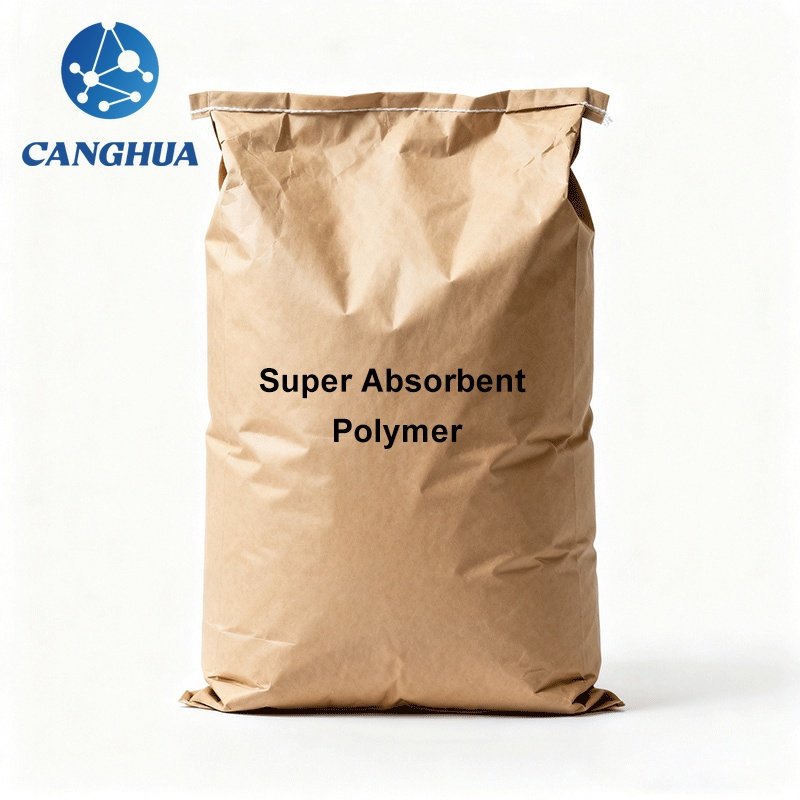
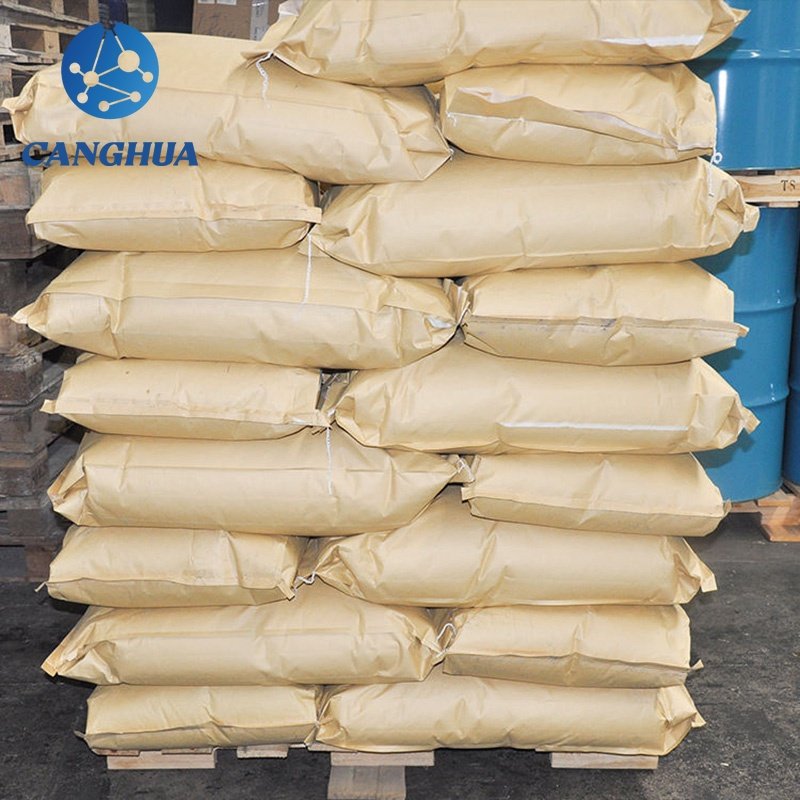
Super Absorbent Polymer
Basic Information
Can't Find The Product You Need?
Tell Us Your Product Requirements, Specifications And Target Industry, Our Professional Team Will Reply You Within 24 Hours.
Product Details
Superabsorbent polymers (SAP), also referred to as superabsorbent resins, are a category of functional polymer materials capable of absorbing water in amounts ranging from several hundred to several thousand times their own weight. The main types include starch derivatives, cellulose derivatives, and polyacrylic acid-based polymers. According to their raw materials, these polymers can be classified into modified natural polymers and fully synthetic resins. They are widely used in various fields, including agricultural water retention, hygiene products such as diapers and sanitary napkins, medical dressings, food preservation, and numerous industrial applications.
Superabsorbent polymers are specialized absorbent resins characterized by their ability to absorb water at least several hundred times their own weight. As an important class of functional polymeric materials, they possess exceptional water-absorption capacity. Although they are insoluble in water, they can absorb substantial amounts of water and swell to form highly hydrated gels. Their principal properties are their outstanding water-absorption and water-retention capabilities.
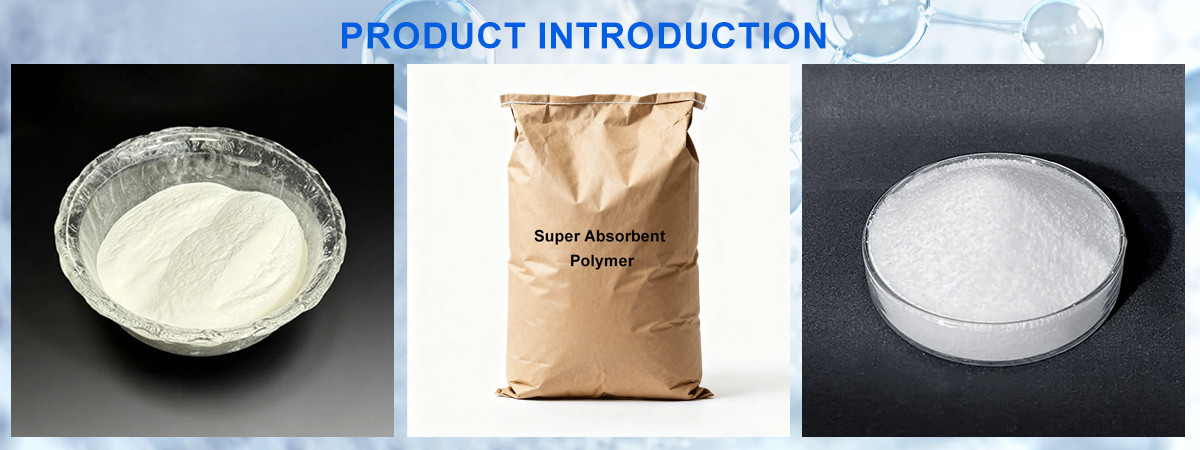
Classification of Superabsorbent Polymers (SAPs)
1. Classification by Raw Material Source
Superabsorbent polymers can be divided into six main categories according to their raw material sources:
Starch-based series: Includes starch graft copolymers, carboxymethylated starch, phosphorylated starch, starch xanthate, and other derivatives.
Cellulose-based series: Includes grafted cellulose, carboxymethylated cellulose, hydroxypropylated cellulose, cellulose xanthate, and related derivatives.
Synthetic polymer series: Includes polyacrylates, polyvinyl alcohols, polyalkylene oxides, inorganic polymers, and other synthetic materials.
Protein-based series: Includes soy proteins, silk proteins, gluten, and other protein-derived materials.
Other natural substances and their derivatives: Includes pectin, alginic acid, chitosan, heparin, and similar materials.
Blends and composites: Includes blends of different superabsorbent polymers, as well as composites combining superabsorbent polymers with inorganic gels or organic substances.
2. Classification by Hydrophilization Method
According to the methods used to introduce or enhance hydrophilic properties, SAPs can be classified into four types:
Polymerization of hydrophilic monomers: Examples include polyacrylates, polyacrylamides, and acrylic acid–acrylamide copolymers.
Carboxymethylation or carboxyalkylation of hydrophobic or weakly hydrophilic polymers: Examples include the carboxymethylation of starch or cellulose and the reaction of polyvinyl alcohol with maleic anhydride.
Graft polymerization of hydrophilic monomers onto hydrophobic or weakly hydrophilic polymers: Examples include starch-graft-polyacrylate, starch-graft-polyacrylamide, cellulose-graft-polyacrylate, and starch–acrylic acid–acrylamide graft copolymers.
Hydrolysis of macromolecules containing cyano, ester, or amide groups: Examples include the hydrolysis of starch-graft-polyacrylonitrile, acrylate–vinyl acetate copolymers, and polyacrylamide.
3. Classification by Cross-Linking Method
Based on the cross-linking mechanism, SAPs can be categorized into four types:
Cross-linking using cross-linking agents: Water-soluble polymers are cross-linked with agents containing multiple reactive functional groups, polyvalent metal ions, or polymeric cross-linking agents.
Self-cross-linking: Certain substances, such as polyacrylates and polyacrylamides, undergo polymerization or reactions that result in self-cross-linking.
Radiation-induced cross-linking: Polymers such as polyvinyl alcohol and polyalkylene oxides can be cross-linked through exposure to radiation.
Introduction of hydrophobic groups or crystalline structures into water-soluble polymers: For example, esterifying polyacrylic acid with long-chain alcohols containing 12–20 carbon atoms can produce insoluble polymers with high water-absorption capacity.
4. Other Classification Methods
Superabsorbent polymers can also be classified according to their physical form, preparation method, and degradability.
By physical form: SAPs can be categorized as powders, fibers, films or sheets, and microspheres.
By preparation method: Classification is based on processes such as synthetic polymerization and cross-linking, carboxymethylation, starch-graft copolymerization, and cellulose-graft copolymerization.
By degradability: SAPs can be divided into non-degradable and degradable types. Non-degradable products include those based on sodium acrylate and methyl methacrylate, while degradable products include graft copolymers derived from natural polymers such as starch and cellulose.
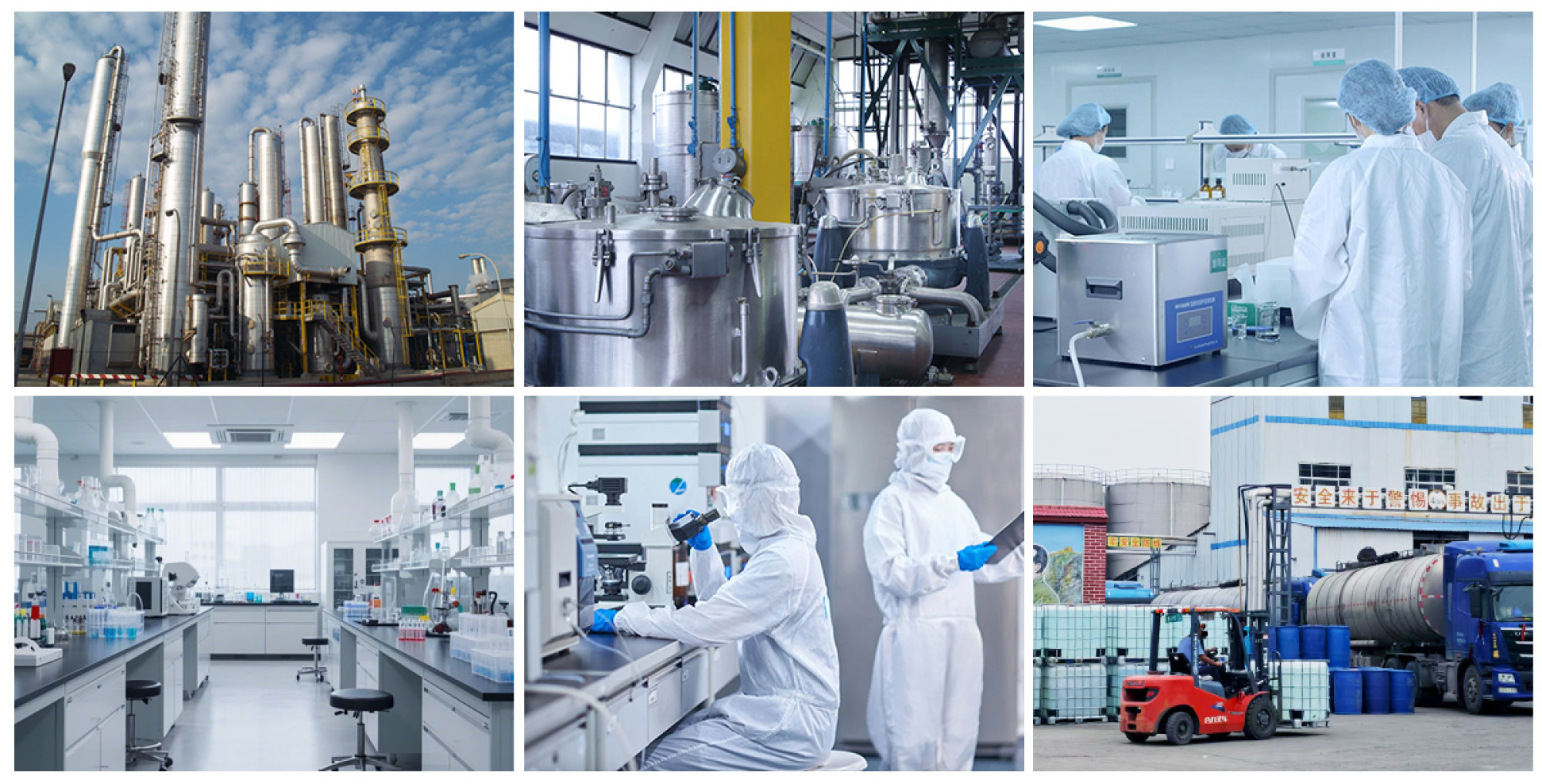
Factory Showcase
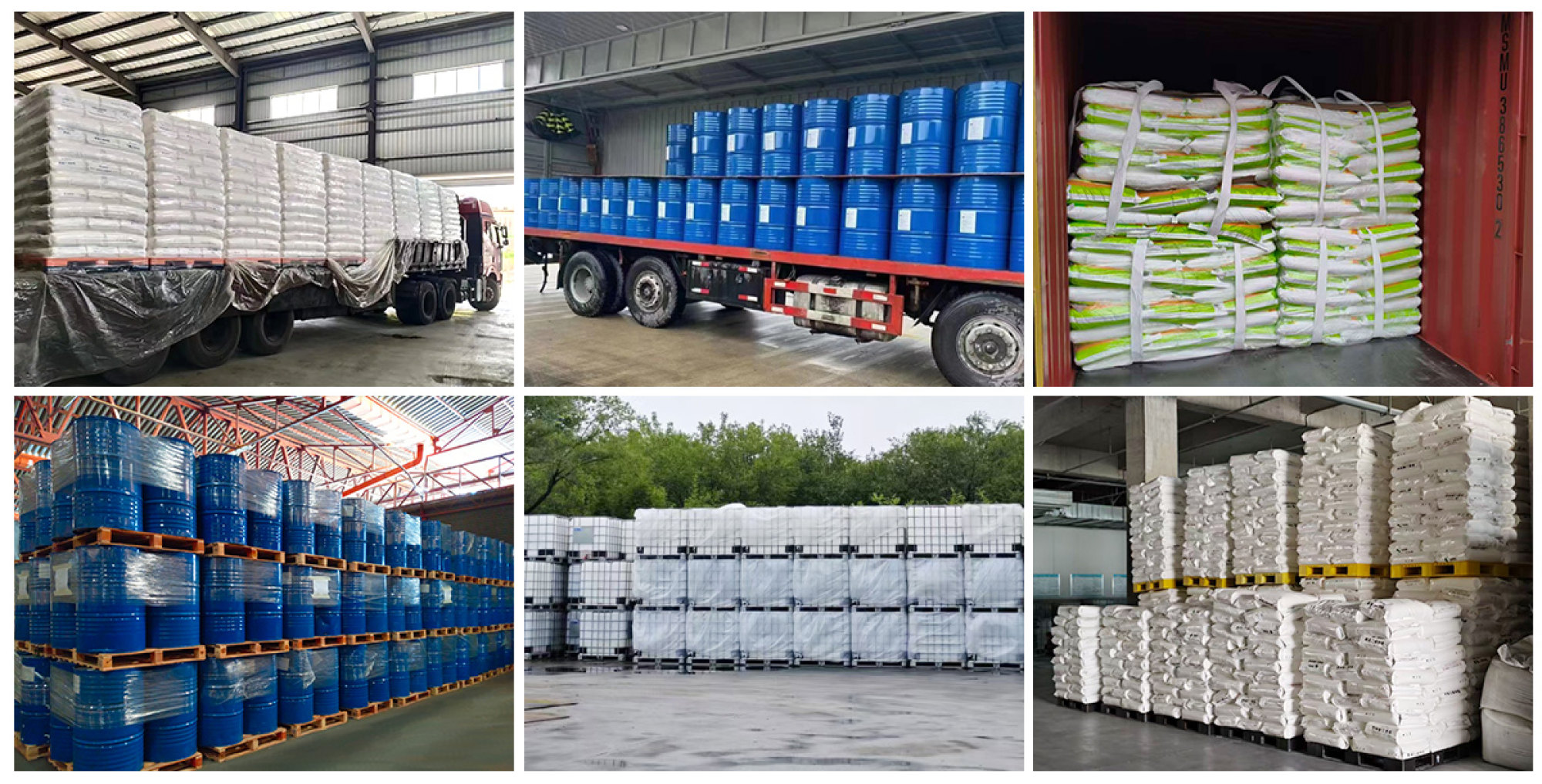
Shipping And Transportation
FAQ
Q1: What international standards do your products and services comply with?
A1: Our products fully comply with international standards such as REACH, MSDS, and COA, and we strictly implement the ISO9001 quality management system. We can also provide third-party testing reports (SGS, BV, etc.) according to customer needs.
Q2: How long does it take for goods to be delivered to my country?
A2: The delivery time depends on the transport mode and destination country. Generally, sea transport takes 15-30 days, air transport takes 3-7 days, and we will optimize the transport route to shorten the delivery time as much as possible.
Can you provide customs clearance services for dangerous chemicals?
A3: Yes. Our team is proficient in the customs clearance procedures for dangerous chemicals in various countries, and can provide professional compliant declaration and customs clearance services to ensure smooth customs clearance.
Q4: Do you provide customized product and service solutions?
A4: Yes. We can provide personalized product customization and export service solutions according to your specific needs (product specifications, application scenarios, procurement volume, etc.).
Contact Us
Related Recommendations
 Toluene-2,4-diisocyanateCAS No.: 584-84-9
Molecular Formula: C₉H₆N₂O₂
Molecular weight: 174.16Learn More →
 Toluene-2,6-diisocyanateCAS No.: 91-08-7
Molecular Formula: C₉H₆N₂O₂
Molecular weight: 174.16Learn More →
 Toluene diisocyanateCAS No.: 26471-62-5
Molecular Formula: C₉H₆N₂O₂
Molecular weight: 174.16Learn More →
 2,42,6-DiaminotolueneCAS No.: 25376-45-8
Molecular Formula: C₇H₁₀N₂
Molecular weight: 122.17Learn More →
 Sodium Hydroxide SolutionCAS No.: 1310-73-2
Molecular Formula: NaOH
Molecular weight: 40.00Learn More →
 UreaCAS No.: 57-13-6
Molecular Formula: CH₄N₂O
Molecular weight: 60.06Learn More →
 Sodium hydroxideCAS No.: 1310-73-2
Molecular Formula: NaOH
Molecular weight: 40.00Learn More →
 Polyurethane elastomers
Learn More →