





CHEMICAL PRODUCTS
Reliable chemical products
Explore our chemical product portfolio covering industrial raw materials, organic and inorganic chemicals, agricultural chemicals, additives and more.
‹
›

Polycarbonate CAS#25037-45-0
Basic Information
CAS No.: 25037-45-0
Molecular Formula: C16H18O5
Molecular weight: 290.32
Can't Find The Product You Need?
Tell Us Your Product Requirements, Specifications And Target Industry, Our Professional Team Will Reply You Within 24 Hours.
Product Details
Polycarbonate (PC, CAS 25037-45-0) is an amorphous, transparent thermoplastic engineering material based on bisphenol A aromatic polycarbonate. With a density of approximately 1.2 g/cm³, it features high impact strength, excellent heat resistance, good dimensional stability, and outstanding light transmission. It is also soluble in chlorinated solvents, such as dichloromethane.
As a high-performance engineering plastic, polycarbonate can maintain its properties under long-term operating temperatures ranging from -60°C to 120°C. Its heat deflection temperature generally ranges from 130°C to 140°C, while its glass transition temperature is 149°C and its thermal decomposition temperature exceeds 310°C. Polycarbonate typically provides a light transmission rate of 85%–90%, making it suitable for manufacturing nearly transparent, colorless products. It also offers excellent colorability, allowing it to be adapted to a variety of color requirements.
Polycarbonate Chemical Properties
Polycarbonate films are used in the production of capacitors, magnetic recording tapes, color video tapes, components for solar energy systems, microwave heating equipment, and membranes for reverse osmosis and ultrafiltration. Polycarbonate foam, known for its flame-retardant properties and thermal insulation performance, is widely used in the construction industry.
However, polycarbonate has relatively low fatigue strength and is susceptible to stress cracking. To address these limitations and improve its overall performance, it is often reinforced with glass fibers. In addition, blending polycarbonate with other polymers or incorporating additives such as stabilizers, flame retardants, and antistatic agents can produce modified materials with enhanced properties and expand the range of potential applications.
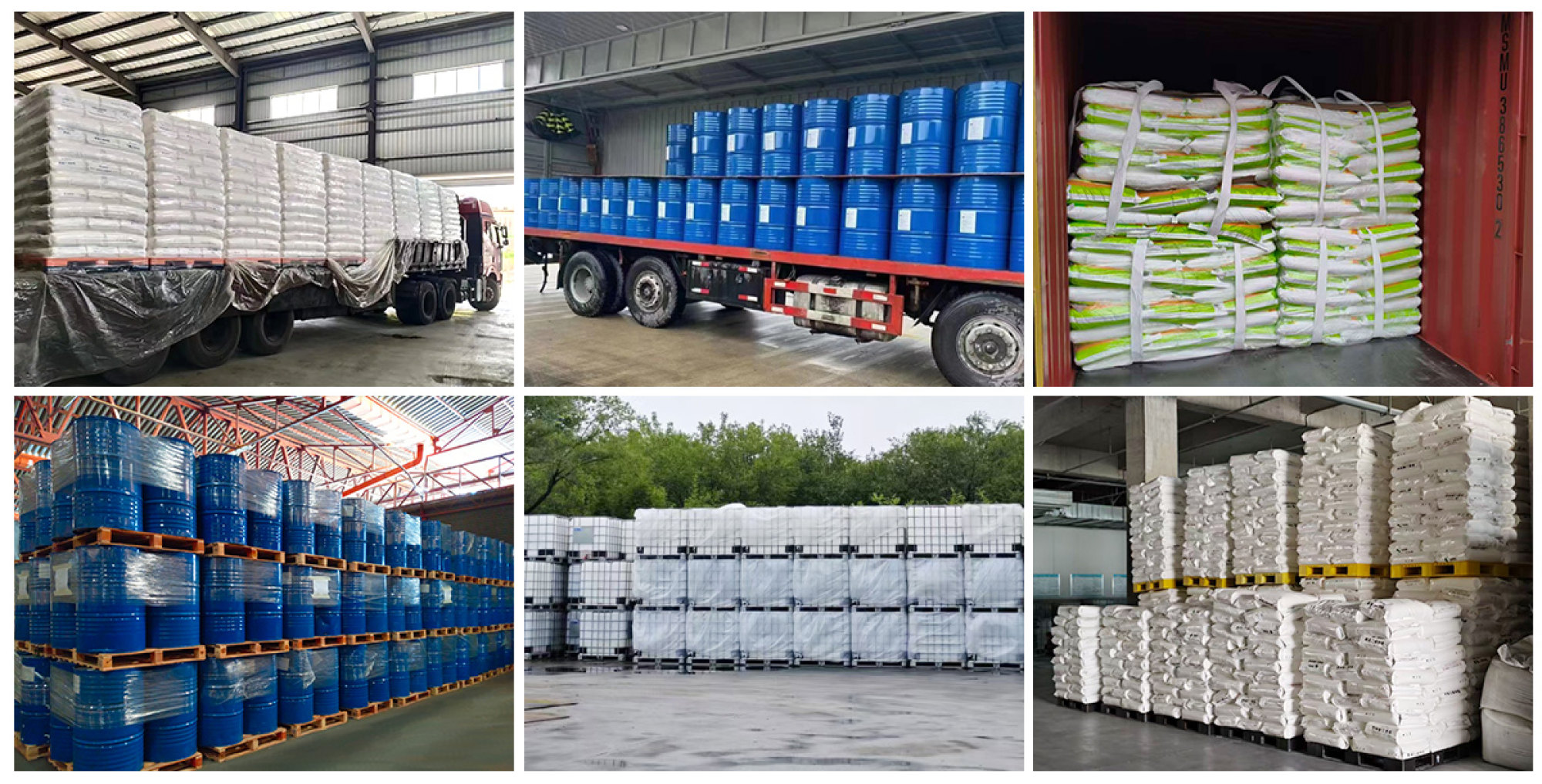
Factory Showcase

Shipping And Transportation
FAQ
Q1: What international standards do your products and services comply with?
A1: Our products fully comply with international standards such as REACH, MSDS, and COA, and we strictly implement the ISO9001 quality management system. We can also provide third-party testing reports (SGS, BV, etc.) according to customer needs.
Q2: How long does it take for goods to be delivered to my country?
A2: The delivery time depends on the transport mode and destination country. Generally, sea transport takes 15-30 days, air transport takes 3-7 days, and we will optimize the transport route to shorten the delivery time as much as possible.
Can you provide customs clearance services for dangerous chemicals?
A3: Yes. Our team is proficient in the customs clearance procedures for dangerous chemicals in various countries, and can provide professional compliant declaration and customs clearance services to ensure smooth customs clearance.
Q4: Do you provide customized product and service solutions?
A4: Yes. We can provide personalized product customization and export service solutions according to your specific needs (product specifications, application scenarios, procurement volume, etc.).
Contact Us
Related Recommendations
 Toluene-2,4-diisocyanateCAS No.: 584-84-9
Molecular Formula: C₉H₆N₂O₂
Molecular weight: 174.16Learn More →
 Toluene-2,6-diisocyanateCAS No.: 91-08-7
Molecular Formula: C₉H₆N₂O₂
Molecular weight: 174.16Learn More →
 Toluene diisocyanateCAS No.: 26471-62-5
Molecular Formula: C₉H₆N₂O₂
Molecular weight: 174.16Learn More →
 2,42,6-DiaminotolueneCAS No.: 25376-45-8
Molecular Formula: C₇H₁₀N₂
Molecular weight: 122.17Learn More →
 Sodium Hydroxide SolutionCAS No.: 1310-73-2
Molecular Formula: NaOH
Molecular weight: 40.00Learn More →
 UreaCAS No.: 57-13-6
Molecular Formula: CH₄N₂O
Molecular weight: 60.06Learn More →
 Sodium hydroxideCAS No.: 1310-73-2
Molecular Formula: NaOH
Molecular weight: 40.00Learn More →
![]() Hexamethylene Diisocyanate CAS#822-06-0Basic Information
CAS No.: 822-06-0
Molecular Formula: C8H12N2O2
Molecular weight: 168.19Learn More →