





CHEMICAL PRODUCTS
Reliable chemical products
Explore our chemical product portfolio covering industrial raw materials, organic and inorganic chemicals, agricultural chemicals, additives and more.
‹
›
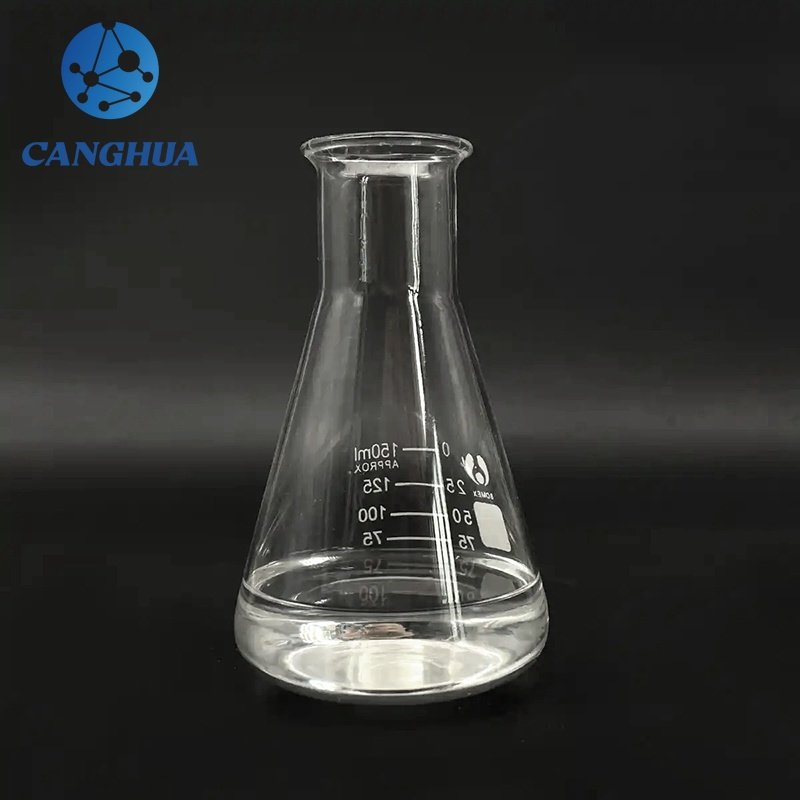
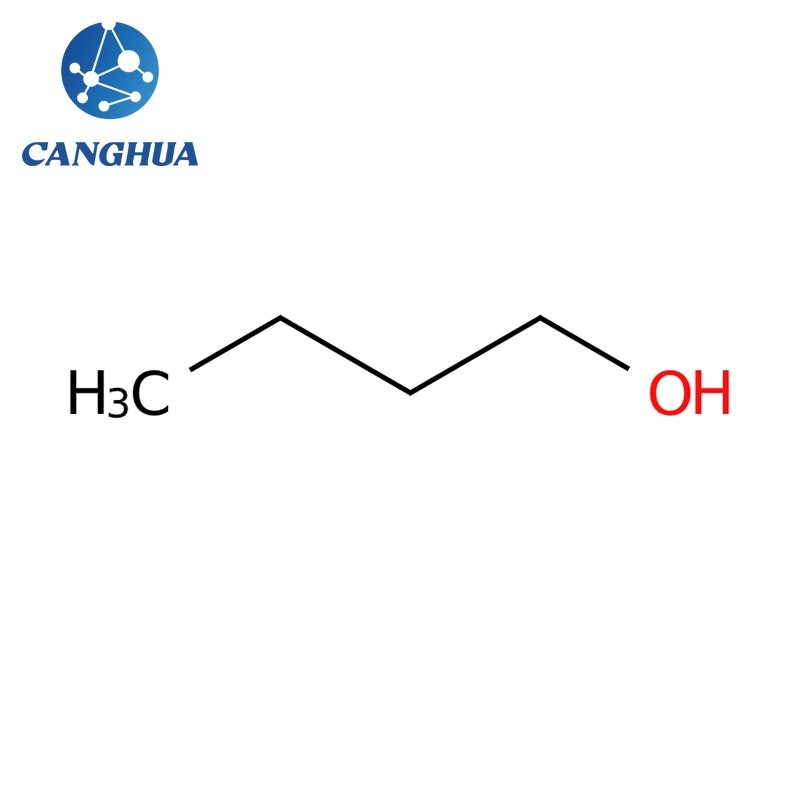
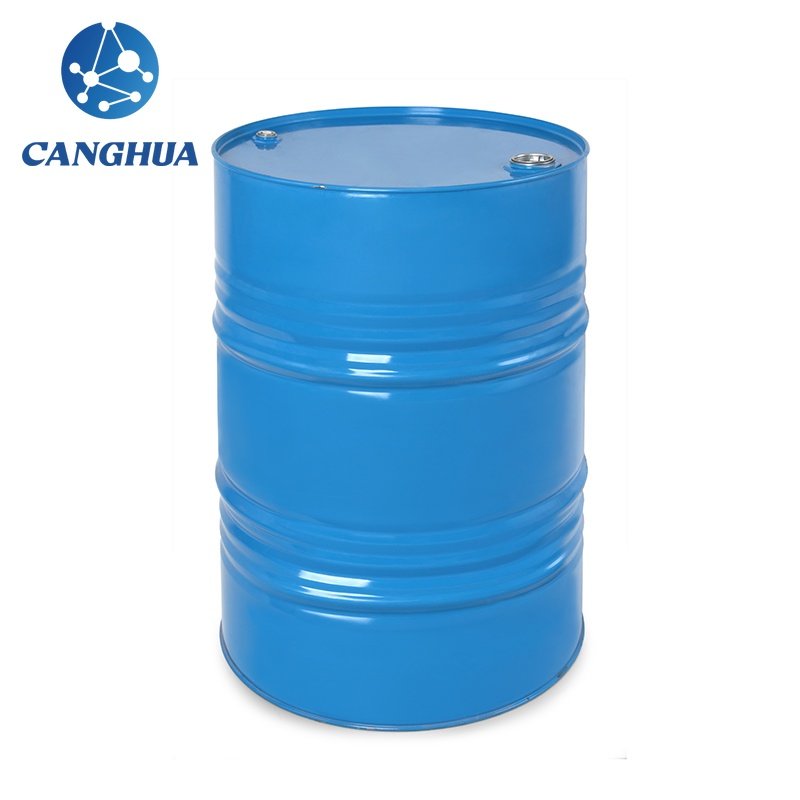
1-Butanol CAS#71-36-3
Basic Information
CAS No.: 71-36-3
Molecular Formula: C3H4O2
Molecular weight: 72.06
Can't Find The Product You Need?
Tell Us Your Product Requirements, Specifications And Target Industry, Our Professional Team Will Reply You Within 24 Hours.
Product Details
n-Butyl Alcohol is a colorless, flammable liquid characterized by a strong alcoholic odor and a high refractive index. It burns with a bright, luminous flame. This compound is incompatible with strong acids, powerful oxidizing agents, aluminum, acid chlorides, acid anhydrides, copper, and copper alloys. n-Butyl alcohol is widely used in a variety of industrial applications.
It is mainly used as a solvent in the manufacture of paints, varnishes, synthetic resins, gums, pharmaceuticals, vegetable oils, dyes, and alkaloids. It also plays an important role in producing artificial leather, rubber, plastic cements, shellac, raincoats, perfumes, and photographic films, making it a valuable chemical across a wide range of industries.
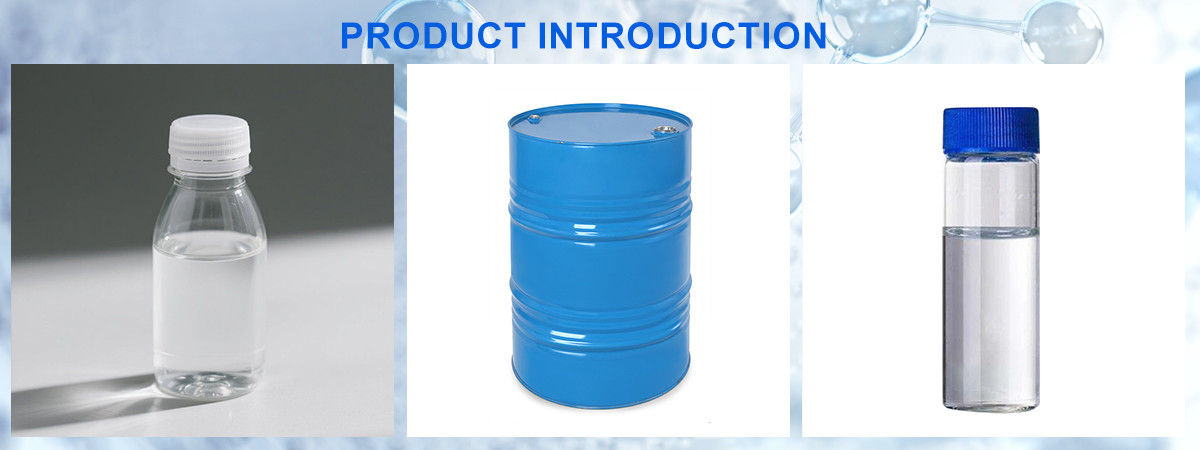
Parameters
Safety Information
Acrylic acid and its derivatives, particularly its esters, have a wide range of applications in various industries, including the following:
Warp Sizing Agents: Sizing agents formulated from acrylic acid, methyl acrylate, ethyl acrylate, acrylonitrile, and ammonium polyacrylate are easier to remove during desizing than polyvinyl alcohol-based sizing agents. They also help reduce starch consumption.
Adhesives: Copolymer emulsions derived from acrylic acid, methyl acrylate, ethyl acrylate, and 2-ethylhexyl acrylate can be used as adhesives for electrostatic flocking. These adhesives provide excellent durability and a pleasant feel.
Water-Based Thickeners: High-molecular-weight powders obtained from acrylic acid and ethyl acrylate copolymers serve as thickening agents, particularly in oilfield applications.
Coatings for Coated Paper: Quaternary copolymer emulsions composed of acrylic acid, butyl acrylate, 2-ethylhexyl acrylate, and styrene are used in coated paper applications. They offer good color retention without yellowing, deliver superior printing performance, and prevent sticking to rollers. These emulsions outperform styrene-butadiene latex and can be used as a substitute for casein.
Polyacrylates: Acrylic acid can be used to produce various polyacrylate salts, including ammonium, sodium, potassium, aluminum, and nickel salts. These materials function as high-molecular-weight additives in a variety of applications, such as coagulants, water treatment agents, dispersants, thickeners, food preservatives, acid- and alkali-resistant drying agents, and softening agents.
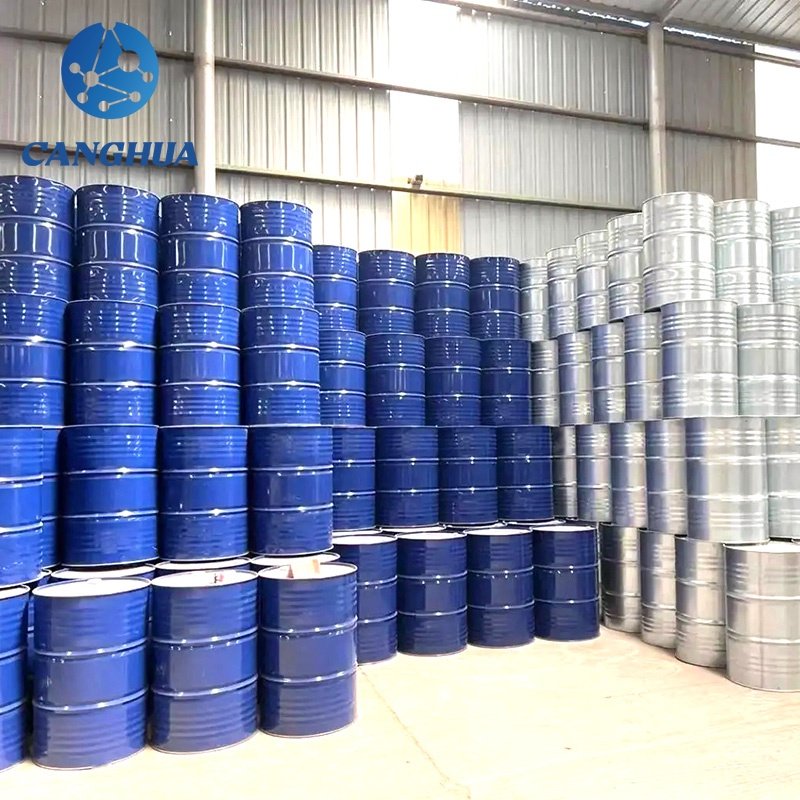
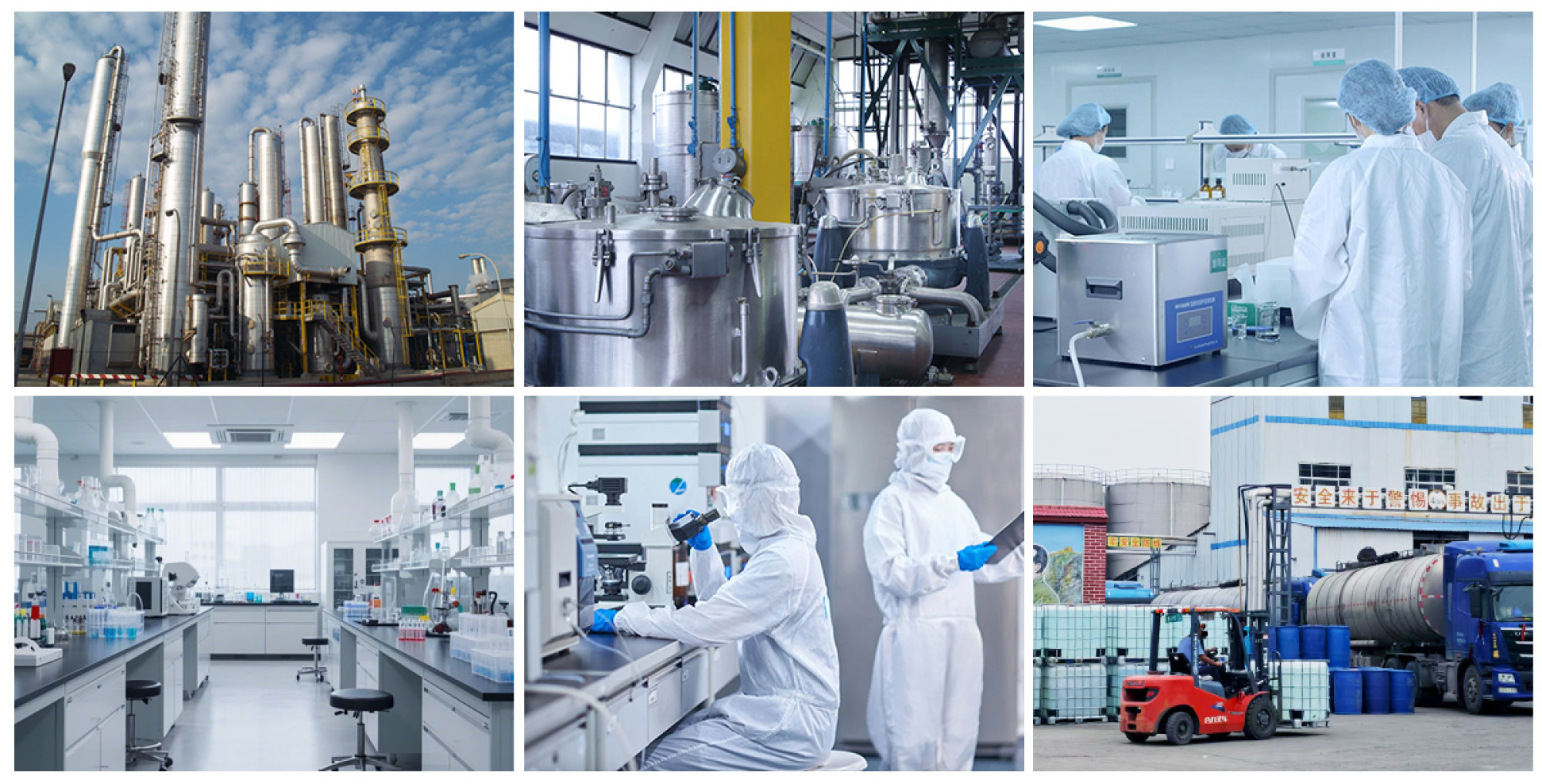
Factory Showcase
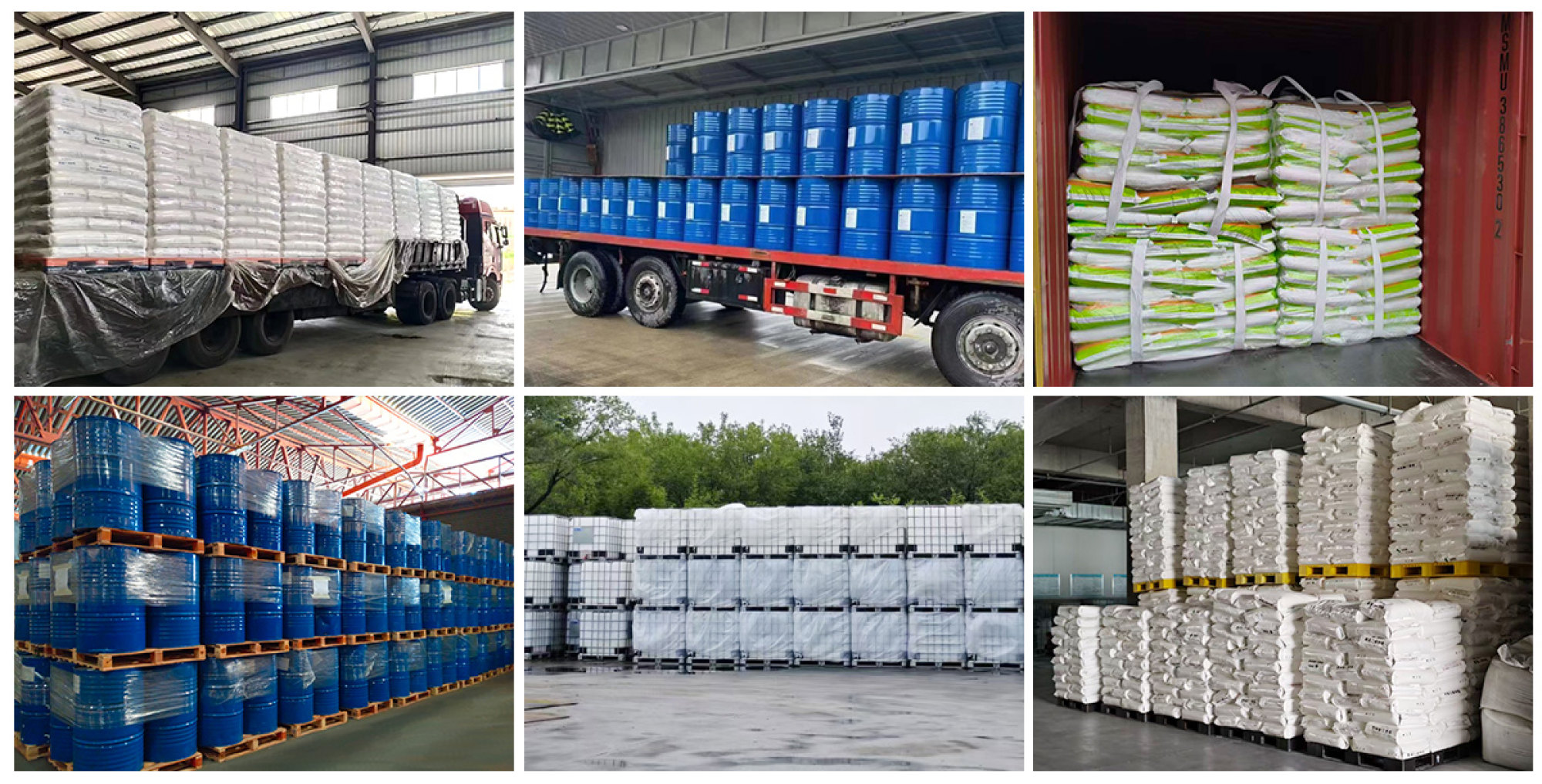
Shipping And Transportation
FAQ
Q1: What international standards do your products and services comply with?
A1: Our products fully comply with international standards such as REACH, MSDS, and COA, and we strictly implement the ISO9001 quality management system. We can also provide third-party testing reports (SGS, BV, etc.) according to customer needs.
Q2: How long does it take for goods to be delivered to my country?
A2: The delivery time depends on the transport mode and destination country. Generally, sea transport takes 15-30 days, air transport takes 3-7 days, and we will optimize the transport route to shorten the delivery time as much as possible.
Can you provide customs clearance services for dangerous chemicals?
A3: Yes. Our team is proficient in the customs clearance procedures for dangerous chemicals in various countries, and can provide professional compliant declaration and customs clearance services to ensure smooth customs clearance.
Q4: Do you provide customized product and service solutions?
A4: Yes. We can provide personalized product customization and export service solutions according to your specific needs (product specifications, application scenarios, procurement volume, etc.).
Contact Us
Related Recommendations
 Toluene-2,4-diisocyanateCAS No.: 584-84-9
Molecular Formula: C₉H₆N₂O₂
Molecular weight: 174.16Learn More →
 Toluene-2,6-diisocyanateCAS No.: 91-08-7
Molecular Formula: C₉H₆N₂O₂
Molecular weight: 174.16Learn More →
 Toluene diisocyanateCAS No.: 26471-62-5
Molecular Formula: C₉H₆N₂O₂
Molecular weight: 174.16Learn More →
 2,42,6-DiaminotolueneCAS No.: 25376-45-8
Molecular Formula: C₇H₁₀N₂
Molecular weight: 122.17Learn More →
 Sodium Hydroxide SolutionCAS No.: 1310-73-2
Molecular Formula: NaOH
Molecular weight: 40.00Learn More →
 UreaCAS No.: 57-13-6
Molecular Formula: CH₄N₂O
Molecular weight: 60.06Learn More →
 Sodium hydroxideCAS No.: 1310-73-2
Molecular Formula: NaOH
Molecular weight: 40.00Learn More →
 Polypropylene CAS#9003-07-0Basic Information
CAS No.: 9003-07-0
Molecular Formula: C22H42O3
Molecular weight: 42.08Learn More →